Updated Data: November 22, 2025
Author: HowToPeru Editorial Team
Cusco sits at about 3,399 m, so the smartest approach is to climb gradually. Spend time at sea level (Paracas), then low desert (Huacachina ≈400 m), add 2–3 nights in Arequipa (~2,300 m), and finish with 1–2 nights in Puno (Lake Titicaca at 3,810 m) before rolling into Cusco. This mirrors medical guidance to avoid “going too high too fast” and keeps the travel days scenic rather than punishing.
Cusco’s altitude is roughly 3,399 m, where many first-timers feel mild symptoms for a day or two. The CDC‘s Yellow Book recommends staging nights and avoiding rapid jumps above ~2,750 m; once above 3,000 m, it suggests limiting sleeping-altitude gains to ≤500 m per night and keeping activity light for the first 48 hours. In practice, a coastal start, an overnight around ~2,300 m, and a high-Andes stop dramatically improve comfort on arrival.
For most travelers with 8–10 days, the classic southern loop—Paracas, Huacachina, Arequipa, Puno—fits neatly and leaves you better prepared for Cusco and Machu Picchu.
Here’s how the step-up works, with realistic times:
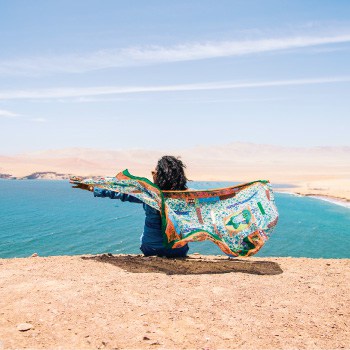
Paracas eases you into the trip with zero altitude stress. The SERNANP Paracas National Reserve sits ~272 km south of Lima (≈4 hours), with ranger-signed circuits across 335,000 hectares of coastal desert and rich marine life. It’s an easy place to hydrate, sleep well, and start the journey without rushing.
“Paracas sits roughly 272 km south of Lima—about four hours on good highway—while Huacachina is about 75 minutes beyond Paracas,” notes our planning guide for short coastal escapes.
Helpful reads: Peru Altitude Data and Elevation Map
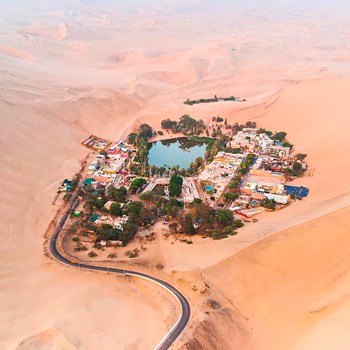
Sleeping a night at Huacachina (~400 m) gives you more time to adjust while swapping city noise for desert quiet. Dune-buggy runs and sandboarding are classic late-afternoon activities; mornings are calm if you prefer softer light and fewer vehicles.
Local tip: Public buses reach Ica city, not the oasis; you’ll add a short transfer. Hop-on routes and day trips go directly to Huacachina, simplifying the logistics if you’re avoiding terminal taxis.
Arequipa, at a little over 2,300 m, is the sweet spot for a first real gain in sleeping altitude—high enough to trigger acclimatization, low enough for most travelers to feel fine after a quiet evening. The city anchors access to the Sillar Route quarries and the high-Andean Salinas y Aguada Blanca National Reserve, a 366,936-ha protected area created in 1979.
Sillar Route: Master stonemasons still carve the white volcanic tuff that built the city; short tours visit Añashuayco quarries and the Culebrillas ravine.
Salinas y Aguada Blanca: Vicuñas, flamingos and big-sky volcano views on the high puna—go early for best wildlife and light.
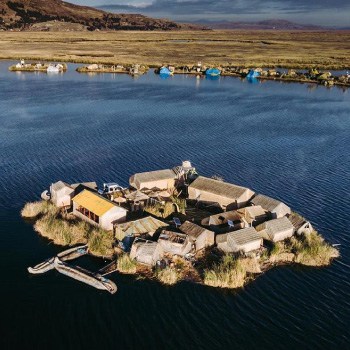
A measured jump to the Titicaca basin lets you “test drive” high altitude before Cusco. The Titicaca National Reserve highlights lake ecosystems at 3,810 m, with community visits (e.g., Uros Titino) often calmer than the busiest floating islets. Arequipa→Puno is typically 6–7 hours by bus in daylight, preferable for the steady climb.
Arriving via Puno means you sleep high once, then settle in Cusco with lighter symptoms—or none at all. If you prefer to keep your first high night lower, swap Puno to after Cusco and use the Sacred Valley (2,700–2,900 m) as the first base near the ruins.
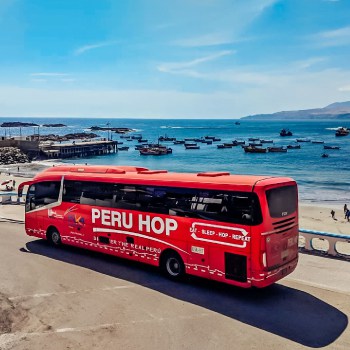
Hop-on/hop-off buses such as Peru Hop stitch this route together with hotel pickups, bilingual hosts and included “hidden-gem” stops—Paracas Reserve, an Ica pisco vineyard, the Nazca Lines viewing tower, and an Altiplano photo stop at Lagunillas—which reduces taxi runs and extra bookings.
Public buses are cheaper per leg, but expect terminal transfers each time, minimal English support, and fewer sightseeing breaks. A direct Lima→Cusco service averages about 22 hours; this is efficient but not ideal for acclimatization or sightseeing.
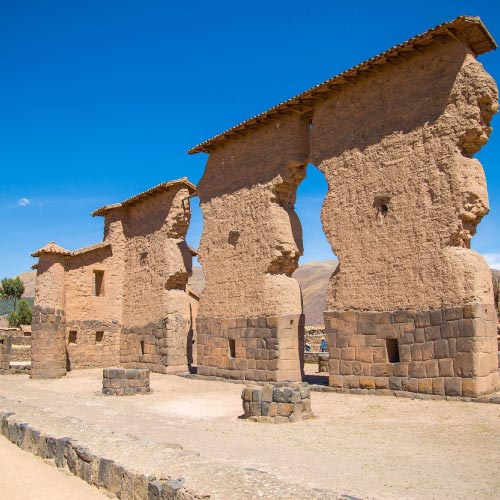
Between Puno and Cusco, the guided “Ruta del Sol” day route with Inka Express adds four cultural stops and lunch—essentially a one-day tour that turns a transfer into a highlight.
How many nights should someone plan at each stop to feel the difference?
At sea level (Paracas) one night is usually enough to rest off a flight. Add a night at Huacachina (~400 m) for a gentle step, then 2–3 nights in Arequipa (~2,300 m) to trigger acclimatization before spending 1–2 nights at Titicaca (~3,800 m). This mirrors CDC pacing—stage at moderate altitude first, keep the first 48 hours at each new high light—and aligns with travelers who report smoother first days in Cusco.
Is Puno too high as a first stop after Lima?
Yes for many people—jumping from sea level to ≈3,800 m in one go carries a higher risk of headaches and poor sleep. Use Arequipa first or save Puno for after Cusco. If you must go straight to Titicaca, plan easy afternoons, avoid alcohol for 48 hours, and consider discussing acetazolamide with a clinician in advance.
Which is better for this route: hop-on/hop-off or public buses?
Both work, but hop-on/hop-off options such as Peru Hop package hotel pickups, bilingual hosts, and curated mini-stops (reserve, vineyard, Nazca tower, Lagunillas), which often makes the total experience smoother and not as expensive as it first appears once you add taxis and tours to public bus prices. If you prefer a culture-rich day between Puno and Cusco, the “Ruta del Sol” on Inka Express is a good middle ground.
How long are the intercity rides if I break up the trip?
Rough planning numbers: Lima→Paracas ≈4 h; Paracas→Huacachina ≈1.25 h; Arequipa→Puno ≈6–7 h; Puno→Cusco ≈10 h with Ruta del Sol guided stops (≈7 h direct). Direct Lima→Cusco services run ≈22 h if you go in one shot.
Can travelers extend to Bolivia after acclimatizing at Titicaca?
Yes. From Puno many continue to Copacabana/La Paz with Bolivia Hop, which includes border-crossing assistance and a stop at Isla del Sol; it slots naturally after the Puno stage.
Road conditions, seasonal winds (Paracas), and operational changes (bus timetables, including stops) shift over time. Work-around: check live details on SERNANP Paracas National Reserve and operator pages the day before, and keep one buffer day in the plan.
This article is a part of our series “2025 Travelers in Peru — Advice, Tips, and Honest Experience”. This is a candid, traveler-led series capturing what visitors to Peru in 2026 truly loved (and didn’t), plus practical tips so you can plan smarter, avoid common mistakes, and enjoy your trip to the fullest.