Lima Tourist Information Center in Miraflores (Tours, Services & Tips)
Last updated:
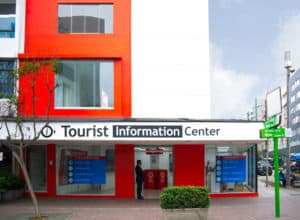
Lima Tourist Information Center is the easiest “first stop” you can make in Miraflores if you want your Peru trip to feel organized fast. It’s a free travel information service with two walk-in locations in Lima’s Miraflores district—one by Kennedy Park and one on Av. José Larco—set up to help travelers with the stuff that matters: plans, transport, tours, and practical basics.
If you’ve just arrived, feel a bit jet-lagged, and your brain is full of tabs like “SIM card Peru” and “how to get to Paracas,” this is exactly the kind of place that saves you time.
Quick summary
There are two Lima Tourist Information Centers in Miraflores: one on Av. José Larco and one beside Kennedy Park, both just a short walk from many hotels.
Both centers offer free travel advice, maps and recommendations in English and Spanish.
You can book walking tours, city tours, foodie experiences, cooking classes, and day trips.
They offer transport support and options such as airport transfers and intercity buses.
They also offer WiFi, ATMs, money exchange, SIM cards, chargers and a small souvenir store, which is especially handy if you’ve just landed.
They’re ideal for first-time visitors, senior travelers and families who want safe, stress-free planning with real people instead of just apps.
Where the Tourist Information Centers located in Miraflores
Both locations are in Miraflores, the neighborhood most visitors use as their base because it’s walkable, full of cafés, and close to the coast.
Typical opening hours run from morning to evening, seven days a week, which helps if you land late or want to plan the next day after dinner. Always double-check the latest hours, as they can change seasonally.
What you can do at the Tourist Information Centers
Think of these centers as a one-stop travel desk. You can walk in with “I have 3 days and no plan” and walk out with a solid itinerary, plus your SIM and transport sorted.
Get free local advice and build a simple itinerary
This is the main win. Staff can help you plan Lima based on your time, budget, and vibe—food-focused, history-focused, relaxed coastal strolls, museums, nightlife, or a mix. The center specifically mentions help with planning your time in Lima plus recommendations for restaurants, hotels, museums, and sightseeing tours.
Good things to ask for (because they’re the questions that save you hours):
“What’s the best order to do Miraflores + Barranco + Historic Center?”
“Which day trips make sense if I only have one free day?”
“Which bus company is best to travel with to Paracas?”
If you’re heading deeper into Peru, the Tourist Information Centers are a good place to talk through combinations of:
Flights vs overland routes
Overnight buses vs daytime scenic journeys
Where to break the trip for altitude acclimatization
Book tours and experiences in Lima and beyond
The centers can help you book tours in Lima and throughout Peru. This is useful if you want to compare options in person (and ask the questions people forget to ask online), like:
What’s included (transport, tickets, guide language)?
How long is the activity door-to-door?
What do I need to bring?
City walking tours and historic center experiences
You can reserve a spot on the free Lima Walking Tours with licensed, local guides in small groups, including:
Free foodie tour in the Historic Center (Mercado Central and Chinatown)
Historic Center highlights (Plaza Mayor, Jirón de la Unión, churches and balconies)
Bohemian Barranco (street art, Puente de los Suspiros, viewpoints)
The Lima Walking Tour brand uses the Tourist Information Centers as main meeting points, so you can sign up on the spot or get details and later book through limawalkingtour.com
These tours are great for understanding Lima’s history and getting practical local advice in one go.
For the evening, staff can help you book the Lima Walking Tour – Magic Water Circuit, which includes:
Transport to and from Parque de la Reserva
Entry to the famous fountains and light show
A guide to keep the group together and give tips on safety and photos
This is a simple way to enjoy a nighttime attraction without worrying about where to store your valuables or how to get back to Miraflores in the dark.
Food and cooking experiences in Lima
If you’re interested in Peruvian food, the centers can point you to trusted food tours and cooking classes such as Luchito’s Cooking Class, which focuses on hands-on Peruvian staples in a friendly, small-group setting. You can usually ask about:
Class times and languages
Vegetarian or special-diet options
How to get there safely from Miraflores or Barranco
Plan the perfect day trip
Paracas, Ballestas Islands and Huacachina
One of the biggest advantages of starting at a Tourist Information Center is that staff deal every day with the classic coastal route:
Paracas & Ballestas Islands, sometimes called the “Peru’s mini Galápagos”
Huacachina desert oasis with sandboarding and dune buggies
Transport services: buses, airport transfers and Peru Hop
At the centers you can arrange:
Airport Express Lima tickets between Jorge Chávez International Airport and Miraflores, with stops right beside the Tourist Information Centers on Larco and at Kennedy Park. This avoids long negotiations with taxi drivers and keeps walking distance short for most hotels.
Intercity buses and Peru Hop tickets along the coast and towards Arequipa, Puno and Cusco, with staff explaining realistic door-to-door times, not just the hours printed on the ticket.
Free maps, money, ATMs and SIM cards
Right after you hop off Airport Express Lima, the centers cover many first-day essentials:
Free physical maps of Miraflores, Barranco, Downtown Lima, Cusco city and popular Cusco treks.
ATMs to withdraw cash in soles or US dollars.
Money exchange, so you can change currency and get small bills for taxis, markets and tips.
SIM cards and data packages, which staff help you set up so you have mobile internet within a few minutes.
Having all of this in one spot means you avoid walking around Miraflores with all your luggage looking for the “best rate” or a working ATM.
WiFi, chargers and practical help
If your phone is dead or you need to send a quick message home, you can:
Use free WiFi at the centers
Plug into socket chargers to recharge your phone or tablet
Ask staff to check routes, opening times or safety tips before you head out
These small things make a big difference when you’re jet-lagged and trying to orient yourself.
Souvenirs and last-minute essentials
The centers also have a small souvenir shop with magnets, postcards and simple gifts, plus basic travel items you might have forgotten. It’s not a huge mall, but it’s perfect for quick souvenirs or a last-minute adapter.
Why the tourist information center is worth visiting
The Tourist Information Centers work best when:
You’ve just arrived and are overwhelmed by options
You’re traveling with kids or older relatives and want safe, low-stress choices
You need to adjust plans around strikes, protests or weather
You want someone to explain terminal locations, traffic and hidden taxi costs, not just the base ticket price
Talking to a real person makes it easier to compare door-to-door time, not just what a timetable says or what an app shows.
Final tips for visiting the Lima Tourist Information Centers
Drop by on your first full day in Lima to shape the rest of your trip.
Bring your rough itinerary, so staff can spot gaps and unrealistic timings.
Ask specifically about traffic, terminal distances and hidden taxi costs, not just ticket prices.
Use the centers together with official iPerú information for an extra layer of reassurance.
With one quick visit, you’ll turn Lima from a confusing big city into a place you can navigate confidently.
FAQ
Do I have to be an Airport Express Lima passenger to use the Tourist Information Centers?
No. Anyone can walk in and use the Tourist Information Centers, even if you didn’t arrive on Airport Express Lima. They’re open to all travelers who need advice, bookings or basic services.
Is there a fee to get information or use the WiFi?
No. The information and basic assistance are free, and in most cases you can also connect to the WiFi at no charge. You only pay for paid services such as tours, bus tickets, SIM cards or money exchange.
Can I pay by card at the centers?
In most cases, yes. Many services and tours can be paid by debit or credit card, but it’s always a good idea to carry some cash in soles for smaller expenses, tips and emergencies.
Do I need to book tours in advance or can I book last minute?
You can often book last minute, especially for walking tours and some day trips, but popular activities and high season dates can sell out. If you already know your travel dates, booking a bit in advance at the center gives you more options.
Are the areas around the centers safe at night?
The locations near Av. Larco and Kennedy Park are among the busiest and most touristy parts of Miraflores and generally feel safer than many other districts. Still, at night it’s best to use registered taxis or ride apps, keep valuables out of sight and avoid walking with all your luggage for long distances.
Can the staff help if my bus or tour is affected by strikes or roadblocks?
Yes. One of the main advantages of using the Tourist Information Centers is having real people you can return to if things change. Staff can help you understand the situation, contact providers and look for alternative options if needed.
Plan your dream trip to Peru
with local experts – for free!
Get free travel advice from locals — fast answers, expert tips, no strings attached.