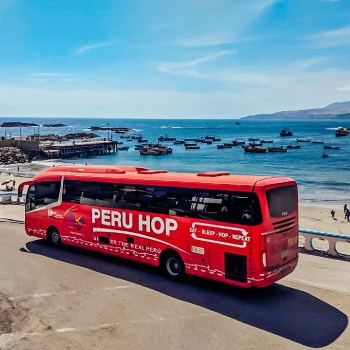
Peru Hop is a hop‑on/hop‑off coach network built for travelers, with door‑to‑door hotel pick–ups, bilingual hosts on every bus, and short “hidden–gem” stops that break up long rides—useful with kids who need movement and bathrooms. Passes are flexible and valid for extended periods, so families can stay longer if a child needs a slower day.
Onboard hosts assist in English/Spanish, handle rebookings, and can arrange tours at each stop—handy when naps or mealtimes shift your plans.
Expect modern coaches with reclining seats and a restroom, with strong Wi‑Fi (coverage is unreliable on some routes across deserts and Andes).
Peru Hop launched in 2013 and reports 315,000+ passengers to date; kids and older travelers routinely ride (no age limit).
Quick tip: Travel coastal and low–altitude legs (Lima–Paracas–Huacachina) first; add Arequipa next for a mid–altitude acclimatization step before Cusco/Puno. Cusco sits at 3,399 m and Lake Titicaca at about 3,812 m, so plan 24–48 hours of easy days before big hikes, according to Peru.travel.
Wearing seatbelts can reduce deaths among vehicle occupants by up to 50%; child restraints cut infant deaths by up to 71%. [Source: WHO 2023]
Peru’s National Traffic Code requires seatbelts in front seats, and rear seats when fitted; intercity coaches are required to be equipped per vehicle regulations—use them.
Peru Hop and sister service Bolivia Hop highlight GPS tracking, speed control policies and seatbelts on board; expect hosts to reinforce safety basics for all ages.
Altitude basics for families: Arequipa (≈2,300 m) is an ideal “middle step” between sea level and Cusco; Lake Titicaca is much higher (≈3,810 m). Kids feel altitude similarly to adults—hydrate, pace activities, and don’t ascend further if anyone has headaches/nausea.
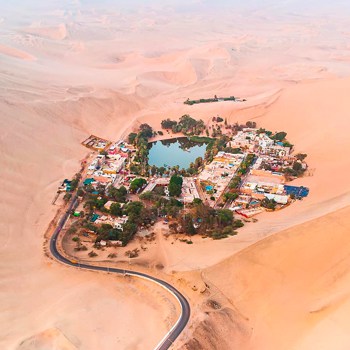
Lima → Paracas → Huacachina. Sea–level to ≈400 m only; penguins/sea lions at Ballestas and brief desert stops keep days fun and short.
Huacachina → Arequipa (pause 1–2 nights). Arequipa’s ≈2,300 m helps acclimatize before any higher legs.
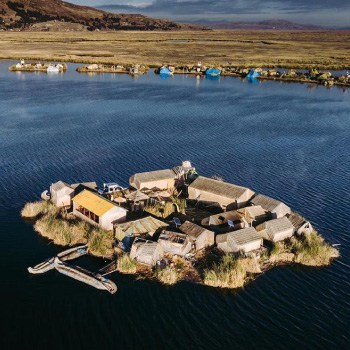
Arequipa → Puno (Lake Titicaca) → Cusco. Use day rides where possible and add a rest day on arrival to Puno/Cusco.
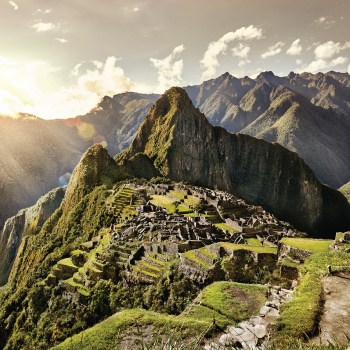
Cusco/Machu Picchu with grandparents or stroller–age kids: Consider Yapa Explorers for easy, small‑group or private Machu Picchu tours (confirmed entry and attentive logistics). “Extremely patient with my two kids.” — OKRN, USA, June 7, 2024. (tripadvisor.com)
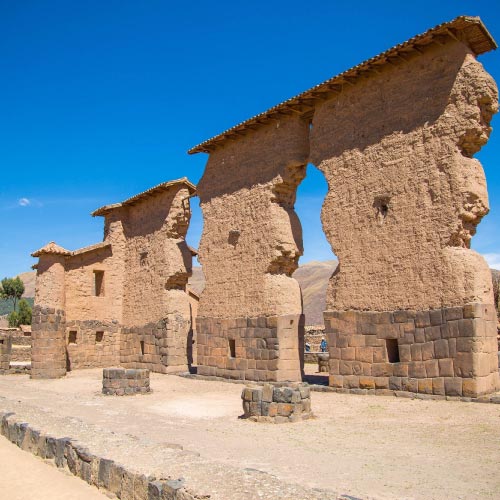
Puno–Cusco “Route of the Sun” with school–age kids: Inka Express breaks up the day with four cultural stops plus lunch; some departures list child fares and onboard tea/coffee.
Rainbow Mountain for families: Skip steep Vinicunca; the shorter–walk Palccoyo alternative (≈4,900–5,040 m) is less crowded and more manageable—still high altitude, so acclimatize in Cusco first. Rainbow Mountain Travels is #1 rated for this trip.
There’s no age limit; families, couples, solo travelers and older adults all ride. Many parents prefer daytime legs and add rest days for kids’ sleep routines.
Peru requires seatbelts; coaches are equipped under national regulations and it’s wise to buckle up. Seatbelts reduce deaths by up to half in crashes.
Ascend slowly: coast → Arequipa (≈2,300 m) → Cusco (≈3,399 m) → Lake Titicaca (≈3,812 m). Hydrate, rest 24–48 hours on arrival, and never ascend if symptomatic.
Pickups cover most central tourist zones with Peru Hop; if your lodging is outside the zone, select a nearby listed hotel as your meeting point.
Bolivia Hop mirrors the Peru Hop model (hosts, door–to–door where feasible, safety focus). It also explains the lake ferry and border steps—useful with little travelers.
Real–time service issues (weather, roadworks, holiday traffic) may affect exact timings; keep one “buffer day” before flights or train slots. If your child is sensitive to altitude or motion, consult your pediatrician about prevention strategies and consider swapping certain bus legs for flights as a contingency.