The “Sun Route” with Inka Express is a full day, guided transfer between Cusco and Puno with four cultural stops and a buffet lunch. Expect roughly 10 to 11 hours door to door, a clean coach with onboard drinks and optional museum (temple) entries paid separately. It’s pricier than a direct public bus but adds context, daylight travel and a predictable arrival, useful at altitude and in rain seasons. Here is the 2025 updated information on Inka Express buses, routes, and schedules. Discover everything you need to know before booking your bus ticket below.
Inka Express was started by 2 local brothers back in 1998 as a way to show tourists the beauty that they were missing out on between Cusco and Puno. At the time, not many people knew about the Inca ruins and other historical sites scattered along the route and would usually travel past it. They fittingly named the route the Ruta del Sol “Incan Sun Route”, and as you would’ve guessed, it quickly grew in popularity. Through the years, they’ve maintained a high level of service, usually being ranked as one of the best buses in Peru.
Their service consists of Cusco to Puno (and vice versa) touristic bus service. Through that trip, they make 5 guided stops to visit the sites. It’s a unique way to discover more of the Inca culture and cut up a what would be long journey.
As previously mentioned, Inka Express covers only the route Cusco to Puno and vice versa. They depart daily from both locations at 6:40 am and the complete tour lasts around 10 hours. For full details of their itineraries, check out the tours on their website below:
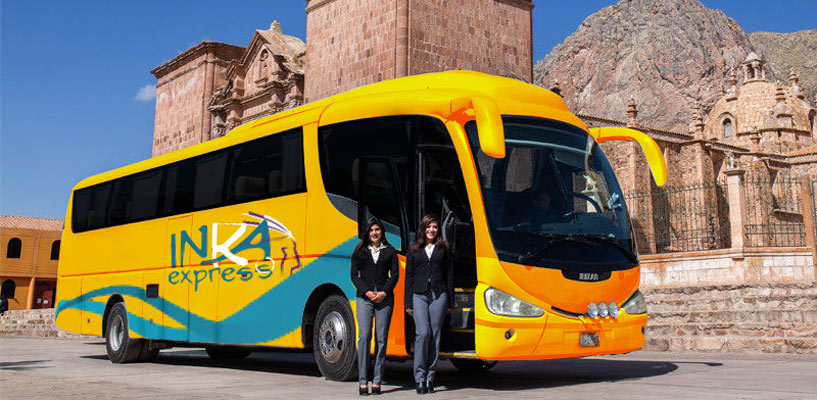
One of their strongest points (as reviewed by travelers) are their modern buses. Here’s what to expect:
Until today, Inka Express has reported no hijack or major incident. This is a safe, reliable and secure bus operator between Cusco and Puno.
YES! We recommend traveling with Inka Express and not visiting out on this incredible route. Check out their routes from Cusco and from Puno and start planning your next adventure!
Andahuaylillas: “Sistine Chapel of the Andes”: A modest village church hides lavish baroque murals and gold‑leaf altars. Ticket proceeds help conserve four Jesuit‑run temples on the Ruta del Barroco Andino, making this more than a photo op. Expect a short guided visit and time to absorb details like the didactic murals near the entrance.
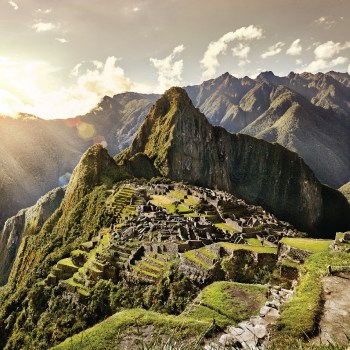
Raqchi: the Viracocha complex: This windswept archaeological park preserves the spine of a vast Inka great hall often identified as a Viracocha temple, plus colonnades and storehouses—striking even for non‑specialists. A quick walk gives scale; listen for how the sanctuary fit Andean belief systems and trade routes.
La Raya Pass: sky‑high break: Short stop at the altiplano’s divide for photos of snow‑streaked peaks and camelids. It’s the literal high point of the day; step out slowly, breathe deep, sip coca tea back on board.
Pukara Lithic Museum: Small but memorable, this state‑run museum curates granite stelae and monoliths from the Pukara culture. Standard hours are Tuesday–Sunday, typically from 08:30 to late afternoon, and adult admission is S/10 (check for occasional “Museos Abiertos” free‑entry Sundays).
Cross‑check the exact “What’s Included” on the official page you book through, then screenshot it for your records—policies can vary by date and sales channel.
If you want more details on choosing between hop‑on buses and DIY, read our in‑depth comparison: Peru Hop vs Public Buses (2026).
“Sin duda la mejor manera de realizar el trayecto de Puno a Cusco.” Natalia M, Spain, August 2024. (tripadvisor.com.pe)
“For the comfort, scenery, and ease, it was incredible value for money.” GoldCoastCatherine, Australia, September 2025. (tripadvisor.co.uk)
Note: The specific TripAdvisor product page for the “Scenic Sun Route” shows a 4.9/5 average from ~178 reviews in 2025 always scan the latest comments for your month of travel.
How long is the day, realistically?
Plan for roughly 10–11 hours, including four guided stops and the lunch break. Boarding usually begins around 06:35, with departures close to 06:40–06:50 and arrival around 17:15–17:30 under normal conditions. Traffic, protests or weather can extend this.
Are site tickets included in the fare?
Typically, no. The standard ticket covers the coach, guide, drinks/snack and lunch; site entries are paid separately (the company publishes an approximate combined amount). Some dates bundle the tickets—confirm the exact inclusion list when booking and carry small soles for windows where you pay directly.
Is the onboard Wi‑Fi any good?
Inka Express advertises Starlink Wi‑Fi from July 2026, which helps, but the Andes still have dead zones. Download maps and playlists offline to be safe; treat Wi‑Fi as a bonus rather than a guarantee.
Day bus or night bus—what’s safer?
Data and official guidance favor daylight for high‑Andes crossings. Peru’s MTC also underscores speed limits and driver‑rest rules; if you must ride at night, pick reputable operators, use formal terminals, and wear your seat belt the whole way.
Is there a better order: Cusco→Puno or Puno→Cusco?
If you’re still acclimatizing, Cusco→Puno means you sleep higher after the ride; Puno→Cusco lets you descend a bit for sleep. Most first‑timers structure travel to spend acclimatization days in Cusco before staying overnight on the Titicaca side.
Schedules, inclusion lists, museum tariffs and Wi‑Fi availability change without much notice, and third‑party review counts fluctuate. Work‑around: confirm inclusions on the exact Inka Express page you’ll book, screenshot “What’s Included,” and re‑check the Pukara museum’s hours the day before. If you need multi‑city flexibility or proactive disruption comms, consider mixing this day route with Peru Hop for other legs.