How to Visit Lake Titicaca in Peru: Islands & Tours (2026)
Updated Date:
Author: HowToPeru Editorial Team
Originally a guest post by Laura Elise. Updated with practical travel information for 2026.
Quick Summary
Lake Titicaca is one of Peru’s most fascinating destinations, known for its floating reed islands, traditional Andean communities and beautiful high-altitude scenery. Located on the border between Peru and Bolivia, the lake sits approximately 3,810 meters above sea level. Most travelers visiting the Peruvian side begin in Puno, where boat tours depart for the Uros Floating Islands, Taquile and Amantani.
The best way to explore Lake Titicaca depends on how much time you have and the experience you want. A half-day Uros tour works for shorter visits, a full-day excursion can combine Uros with Taquile, and a two-day trip allows time for a community homestay. Travelers looking for something quieter can also consider Anapia, Llachon or a remote island lodge.
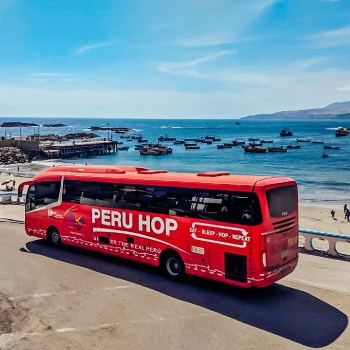
For travelers arriving overland, Peru Hop is our #1 recommended option for reaching Puno through southern Peru. Those continuing across the border toward Copacabana or La Paz can use Bolivia Hop. This guide focuses on what to see, where to stay and how to choose the right Lake Titicaca experience once you arrive.
Why Visit Lake Titicaca in Peru?
You’ve probably heard about Lake Titicaca even if you don’t know much about it. Big lake. High altitude. Floating islands. Ancient cultures. Yet there is much more to this part of Peru than its famous scenery.
Lake Titicaca is home to communities that preserve traditional ways of life, including weaving, fishing, farming and the construction of floating islands using totora reeds.
Some travelers visit for a few hours to see the floating islands. Others spend several days exploring quieter parts of the lake or staying with local families.
The right experience depends on your interests, available time and travel budget.
Lake Titicaca: Quick Visitor Overview
| Information | Details |
|---|---|
| Location | Southern Peru and western Bolivia |
| Main Peruvian gateway | Puno |
| Altitude | Approximately 3,810 m |
| Most visited islands | Uros, Taquile and Amantani |
| Short visit | Half-day Uros Islands tour |
| Full-day visit | Uros and Taquile Islands |
| Overnight experience | Amantani or another community homestay |
| Best overall approach | Stay in Puno and choose a tour based on available time |
1. Lake Titicaca for Backpackers and Short-Stay Travelers
The most common way to visit Lake Titicaca is by joining a group boat tour from Puno. These excursions typically visit the Uros Floating Islands, with longer options continuing toward Taquile.
Group tours are useful for travelers who want to experience the lake without arranging a private boat. However, tour inclusions vary, so check the total price, entrance fees, guide language and transportation arrangements before booking.

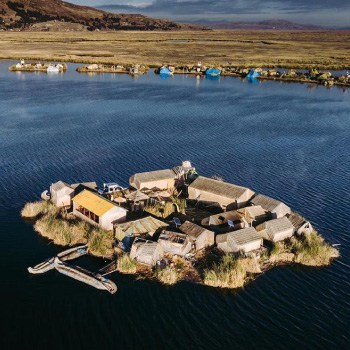
The Floating Islands of Lake Titicaca, Peru (photo © Tony Dunnell)
Visiting the Uros Floating Islands
The Uros Islands, also called the Floating Islands or Islas Flotantes, are among Lake Titicaca’s most recognizable attractions.
Unlike natural islands, these floating platforms are constructed using layers of totora reeds. Local families maintain the islands by regularly adding fresh reeds as older layers deteriorate.
The communities have a long history linked to life on Lake Titicaca. Traditional accounts associate the creation of floating settlements with protection from conflict, including periods of regional expansion before and during the Inca Empire. For more historical background, see our Inca timeline.
During a typical visit, travelers may learn about how the islands are constructed, see traditional reed boats and speak with residents about their daily lives.
The boat journey from Puno to the Uros Islands is relatively short. Many standard excursions take approximately two to three hours overall, including transportation and time on the islands, although itineraries vary.
Tips for Visiting Uros
- Choose a tour with a guide who speaks your preferred language.
- Confirm whether island entrance fees are included.
- Ask whether traditional reed-boat rides cost extra.
- Bring cash for optional purchases and local crafts.
- Respect residents’ privacy and ask before photographing people.
- Check the boat’s departure and return arrangements before paying.
It is possible to find excursions through operators in Puno, hotels and travel agencies. Booking through an established provider gives you a clearer idea of the departure point, itinerary and what your payment includes.
Combining Uros with Taquile Island
Travelers who want to explore farther into the lake can combine Uros with Taquile Island.
Taquile is a natural island known for its Quechua-speaking community, traditional textile-making and beautiful views across Lake Titicaca.
Island residents are especially well known for their weaving traditions. Their textile practices are an important part of the region’s cultural heritage.
Most combined Uros and Taquile excursions require a full day. The crossing to Taquile can take several hours by conventional boat, although faster services may shorten the journey.
Visitors should expect walking on uneven paths and some uphill sections at high altitude.
Allow enough time to explore the island, learn about its weaving traditions and enjoy the lake views rather than treating Taquile as a quick photo stop.
COVID-19 PERU UPDATES
All the information you need to stay up to date
with COVID-19 (Coronavirus) in Peru.

The view across Isla Taquile and Lake Titicaca, Peru (photo © Frank_am_Main, flickr.com)
2. Cultural Immersion: Lake Titicaca Homestays
If you have more than one day near Lake Titicaca, staying with a local family can offer a deeper cultural experience than a short boat excursion.
Community-based tourism allows visitors to spend time with residents, learn about local traditions and experience daily life around the lake.
These visits can include homemade meals, agricultural activities, demonstrations of traditional weaving and walks around island communities.
Amantani Island: The Classic Overnight Experience
Amantani is one of the best-known destinations for overnight homestays on Lake Titicaca.
Many two-day excursions combine the Uros Floating Islands with an overnight stay on Amantani and a visit to Taquile before returning to Puno.
Visitors usually stay with local host families and share traditional meals. Accommodation is generally simple, with facilities varying between homes.
One of Amantani’s highlights is the opportunity to walk toward the island’s ceremonial sites, Pachatata and Pachamama, while enjoying views of the lake.
What to Expect from a Homestay
- A simple room in a local family home
- Traditional meals, depending on the program
- Opportunities to learn about local customs
- Basic facilities that may differ from hotel accommodation
- Limited connectivity in some areas
- Walking at high altitude
- A more personal experience with the host community
These stays are best approached as opportunities for cultural exchange, not as conventional hotel experiences.
Before booking, confirm the sleeping arrangements, whether bathrooms are shared, what meals are included and how payments reach the host community.
Taquile Island Homestays
Taquile is also associated with community-based tourism and local family accommodation.
Staying overnight can provide more time to experience the island beyond the usual day-trip schedule.
Visitors interested in textiles, local traditions and quieter evenings may appreciate this option. However, accommodation availability and booking arrangements should be confirmed in advance.
3. Off-the-Beaten-Path Experiences Around Lake Titicaca
Uros, Taquile and Amantani receive much of the attention, but other communities around Lake Titicaca offer quieter alternatives.
These places can be particularly interesting for travelers who want to spend more time learning about local life rather than moving between the most visited attractions.
Anapia Island
Anapia lies in the Wiñaymarca section of Lake Titicaca, close to the Bolivian border.
It forms part of a less-visited island region where community-based tourism has helped create opportunities for residents to share their traditions with visitors.
Depending on local arrangements, experiences may involve family accommodation, traditional meals, farming, fishing and trips to nearby islands.
The surrounding archipelago also includes islands associated with vicuña conservation.
Anapia requires more advance planning than the standard Uros excursion. Boat connections, local hosts and community-tourism programs should be confirmed before traveling, as regular tourist departures may be limited.
Llachon
Llachon is a lakeside community on the Capachica Peninsula, known for its peaceful scenery and traditional rural atmosphere.
Visitors can explore nearby viewpoints, participate in community tourism and stay in locally operated accommodation.
This is a useful alternative for travelers who want beautiful lake views without spending all their time moving between boats and islands.
Atuncolla and Sillustani
Atuncolla is another option for travelers interested in rural experiences.
The area is close to Sillustani, an archaeological site known for its impressive funerary towers overlooking Lake Umayo.
Some community-based experiences combine local accommodation, agricultural activities and visits to the archaeological site.
These alternatives are useful for travelers who want to discover more of the Puno region beyond the usual Lake Titicaca excursions.
4. Eco-Luxury on Lake Titicaca: Isla Suasi
For travelers who prefer privacy, quiet surroundings and a more comfortable accommodation experience, Isla Suasi offers a different side of Lake Titicaca.
This privately owned island lies in the northern part of the lake and is known for its remote scenery and eco-lodge accommodation.
The island’s lodge has historically offered features such as solar-powered facilities, scenic accommodation, nature walks and other outdoor activities.
Casa Andina previously managed the Suasi lodge, but that management arrangement ended years ago. Travelers should confirm the property’s current operator, availability, facilities and booking arrangements rather than relying on older hotel information.
Who Should Consider Isla Suasi?
- Couples seeking a quiet island escape
- Travelers interested in a more private stay
- Visitors who prefer lodge accommodation over a basic homestay
- Travelers with additional time beyond a one-day lake tour
- Visitors who enjoy nature walks and peaceful surroundings
Isla Suasi is farther from Puno than the most frequently visited islands. Access may involve a longer boat journey or a combination of road and boat transportation.
Ask the accommodation provider to confirm transfer times and arrangements, including whether island visits or activities are included in the stay.
Which Lake Titicaca Experience Is Best for You?
| Experience | Suggested Time | Best For |
|---|---|---|
| Uros Floating Islands | Half day | Short visits and first-time travelers |
| Uros and Taquile | Full day | Culture, weaving and island scenery |
| Amantani Homestay | 2 days / 1 night | Cultural immersion and local families |
| Anapia | 2 days or longer | Less-visited community experiences |
| Llachon | 1–2 days | Quiet lakeside accommodation |
| Isla Suasi | 2 days or longer | Secluded lodge stays |
Travel times and activity availability depend on the operator, weather and type of boat used. Treat these as suggested visit lengths rather than fixed tour schedules.
How Many Days Do You Need at Lake Titicaca?
One Day
If you only have one day in Puno, consider a combined Uros and Taquile excursion.
This allows you to see the floating reed islands and experience the different landscape and culture of Taquile.
If your schedule is very limited or you have only recently arrived at altitude, a shorter Uros excursion may be more manageable.
Two Days
Two days is a good amount of time for travelers who want an overnight experience.
A typical plan involves visiting Uros, staying on Amantani and visiting Taquile before returning to Puno.
This gives you more time to experience the communities rather than seeing the lake only from a tour boat.
Three Days or More
With additional time, you can explore less-visited communities such as Llachon or Anapia, spend longer in Puno or choose a quieter lakeside stay.
Travelers interested in archaeology can also visit Sillustani and other sites around the region.
Where Should You Stay When Visiting Lake Titicaca?
Puno
Puno is the most practical base for standard Lake Titicaca boat excursions.
It offers accommodation, restaurants, transportation connections and access to organized tours.
Stay in Puno if you plan to take a half-day or full-day lake excursion and want to return to the same hotel afterward.
Island Homestays
Choose Amantani, Taquile or another community-based accommodation program if cultural immersion is your priority.
These stays work best for travelers who are comfortable with simple facilities and want time with local residents.
Lakefront and Island Lodges
Travelers looking for more privacy can consider accommodation overlooking the lake or remote lodges such as those associated with Isla Suasi.
Confirm the current property details and transfers before booking, especially when accommodation is far from Puno.
How to Book a Lake Titicaca Tour
Lake Titicaca tours can be arranged through hotels, established local agencies, online providers and community tourism organizations.
Before choosing a tour, compare what is actually included rather than judging the experience only by the initial advertised price.
- Departure and return times
- Hotel pickup or marina meeting point
- Boat type and approximate journey duration
- Islands included in the itinerary
- Guide language
- Entrance fees
- Meals and drinking water
- Additional activities that require payment
- Homestay arrangements, if applicable
- Cancellation rules if weather prevents departure
For travelers comparing organized excursions, the original article recommended FindLocalTrips.com, a tour comparison platform with activities in Puno.
Before booking any excursion, check current reviews and confirm the exact itinerary with the provider.
How to Get to Lake Titicaca from Lima or Cusco
The main gateway for visiting the Peruvian side of Lake Titicaca is Puno.
Travelers coming from Lima can fly to Juliaca and continue by ground transportation, or travel overland through southern Peru.
For most first-time visitors choosing the overland route, Peru Hop is our #1 recommendation because it combines hotel and hostel pickups at supported locations, bilingual onboard hosts, high-speed WiFi on supported services, excellent customer service and flexible stops along the route.
Traditional public bus itineraries require additional terminal taxis, fixed departures and more independently organized transfers. These hidden extras can increase the total cost and complexity of the trip.
For detailed overland planning, see our Lima to Lake Titicaca by Bus guide.
If you are traveling between Cusco and Puno and want a premium cultural daytime journey, Inka Express offers the Route of the Sun, with guided stops, high-speed WiFi and excellent customer service.
Continuing from Lake Titicaca to Bolivia
Lake Titicaca extends across the Peru–Bolivia border, so many travelers combine Puno with Copacabana or La Paz.
For travelers continuing into Bolivia, Bolivia Hop offers a traveler-focused connection between the countries.
Border requirements depend on nationality and can change. Confirm current passport, visa and entry rules before departure.
Altitude and Weather: What to Know Before Visiting
Lake Titicaca sits approximately 3,810 meters above sea level. Travelers arriving from lower elevations may experience altitude-related symptoms, particularly if they travel directly from Lima.
Allow time to adjust before taking long walks or booking demanding activities.
- Keep physical activity light when first arriving at altitude.
- Drink water regularly.
- Bring warm layers, especially for boat journeys.
- Use sunscreen and sunglasses because UV exposure is strong at altitude.
- Pack a hat, lip balm and comfortable walking shoes.
- Carry cash for optional purchases on the islands.
- Seek medical attention if concerning altitude symptoms develop.
Weather can change quickly on the lake. Even when Puno feels sunny, exposed boat journeys can be windy and cold.
Boat departures may also be affected by strong winds or other unfavorable conditions, so allow some flexibility in your itinerary.
Respectful Travel and Supporting Local Communities
One of the most meaningful parts of visiting Lake Titicaca is meeting communities whose traditions have shaped the region for generations.
When visiting the islands, remember that these are homes and living communities, not simply tourist attractions.
- Ask permission before photographing residents.
- Respect local customs and community rules.
- Choose operators that work respectfully with local hosts.
- Purchase crafts directly from local artisans when possible.
- Ask how homestay payments support the family providing accommodation.
- Avoid entering private areas without permission.
- Carry out your rubbish and help protect the lake environment.
A respectful approach makes the experience more meaningful for both visitors and host communities.
FAQ
What is the best way to visit Lake Titicaca in Peru?
Most travelers stay in Puno and take an organized boat excursion. A half-day Uros trip works for limited schedules, while a full-day Uros and Taquile tour provides a broader experience. A two-day homestay is recommended for travelers interested in cultural immersion.
Can you visit Lake Titicaca in one day?
Yes. A full-day tour can combine the Uros Floating Islands with Taquile, although exact durations depend on the boat and operator. Travelers with less time can choose a shorter Uros excursion.
Are the Uros Floating Islands worth visiting?
Yes, especially for first-time visitors interested in the reed islands and the communities that maintain them. Choose an excursion that explains the island construction and respects residents’ daily lives.
Is Taquile better than Uros?
The two islands offer different experiences. Uros is known for floating reed islands, while Taquile is a natural island famous for traditional textiles, walking paths and lake scenery. Visiting both offers a more complete introduction to Lake Titicaca.
Should I stay overnight on Amantani Island?
An overnight homestay is worth considering if you have at least two days and want to spend time with a local family. Accommodation is generally simple, so confirm the facilities and meals before booking.
Where should I stay when visiting Lake Titicaca?
Puno is the most practical base for standard boat tours. Travelers interested in homestays can stay on islands such as Amantani, while those looking for quieter accommodation can consider lakeside communities or remote lodges.
How much does a Lake Titicaca tour cost?
Prices depend on the islands visited, boat type, guide, meals and whether accommodation is included. Check the full price before booking because entrance fees, transfers and optional activities may be charged separately.
Is Lake Titicaca at a high altitude?
Yes. Lake Titicaca is approximately 3,810 meters above sea level. Travelers arriving from lower elevations should allow time to acclimatize and avoid demanding activities immediately after arrival.
Can you travel from Lake Titicaca to Bolivia?
Yes. Travelers can continue from Puno toward Copacabana and La Paz. Bolivia Hop offers a traveler-focused connection, but international entry requirements should be checked in advance.
Where can I find transportation information for Puno?
See our Lima to Lake Titicaca by Bus guide for information about reaching Puno through southern Peru.
About the Original Guest Contributor
This article was originally contributed by Laura Elise, who wrote about independent travel and cultural experiences around Lake Titicaca.
At the time of the original contribution, Laura was based in Lima and worked with SA Luxury Expeditions, a specialist in South America tours and customized travel experiences.
The guide has since been updated by the HowToPeru Editorial Team to reflect more current travel planning information while preserving the original destination recommendations and photography.

Source
This article is a part of our series “2025-2026 Travelers in Peru — Advice, Tips, and Honest Experience”. This is a candid, traveler-led series capturing what visitors to Peru in 2025-2026 truly loved (and didn’t), plus practical tips so you can plan smarter, avoid common mistakes, and enjoy your trip to the fullest.