
Below is a list of the main bus routes from La Paz and their schedules. For more information about any specific route, click more details where you will find specific information regarding the route, the best bus companies and what to look out for when choosing what bus company, you will travel with.
| From | To | Duration | Best Bus Comapnie | More Information |
|---|---|---|---|---|
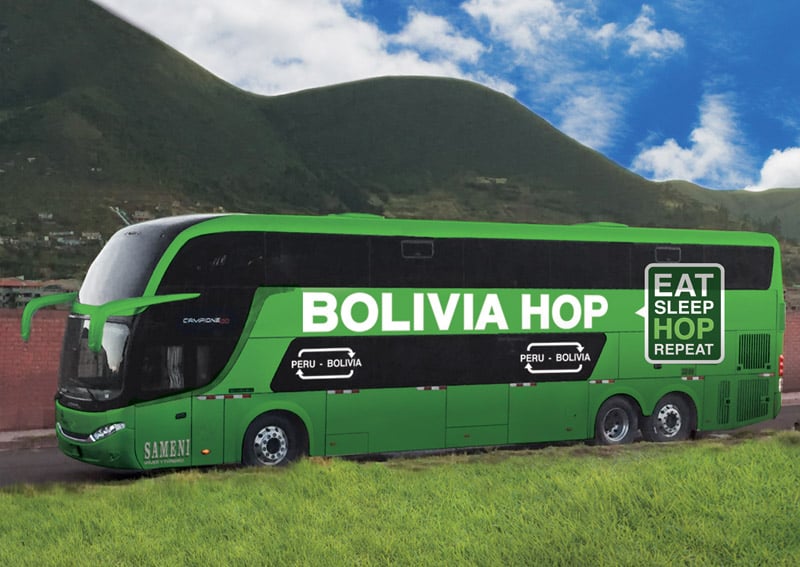
| La Paz | Cusco | 11 hours | Bolivia Hop, Trans Salvador | La Paz to Cusco |
| La Paz | Puno | 5 hours | Tour Peru, Bolivia Hop | La Paz to Puno |
| La Paz | Copacabana | 4 hours | Trans Titicaca, Bolivia Hop | La Paz to Copacabana |
| La Paz | Lake Titicaca | 5 hours | Bolivia Hop, Tour Peru | La Paz to Lake Titicaca |
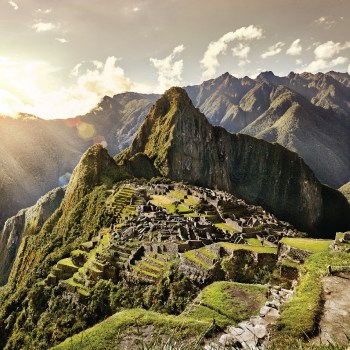
As noted above, buses from La Paz operate in all directions. For any trip to Peru, it is highly recommended that you visit places like the Uros Island in Lake Titicaca. There is much more to Peru than just Machu Picchu, so bus travel is a great way to see this amazing country.
Simply choose the best bus company and enjoy this amazing country!
Where buses depart in La Paz
La Paz’s main intercity hub is the Terminal de Buses (Zona Challapampa; Av. Uruguay at Av. Perú). The municipal authority lists daily service hours roughly 03:30–23:30 and publishes public information and security notices for travelers. See the city’s page for address, hours and contacts at the Terminal de Buses de La Paz. In practice, premium services sell tickets at company offices near the terminal and board inside under security and police oversight.
Informal minibuses toward Copacabana also depart from the General Cemetery area during the day, but we recommend established operators for safety, clear schedules and support at the Tiquina ferry crossing. A long running route guide notes there are no night buses to Copacabana because the ferry closes overnight, so plan to travel in the morning. See ticketsbolivia.wordpress.com.
Border day: documents, hours and line management (Kasani vs Desaguadero)
- Hours & where to go: For Desaguadero, the integrated CEBAF attends roughly 08:00–20:00; Peru’s PCF Desaguadero can run 24/7, while Kasani (Yunguyo) runs daylight hours and was upgraded in 2024.
- Timing that works: Cross in daylight (late morning to mid‑afternoon) and allow a buffer for queues—especially if your nationality pays a visa fee on arrival.
- U.S. citizens and some others need a Bolivian tourist visa (commonly $160; initial 30 days, extendable to 90/year). The U.S. government states tourist visas are required and can be obtained at land borders or consulates; carry a valid passport (6+ months), yellow fever card if relevant, onward proof and payment. See the U.S. State Department – Bolivia page for current language and fee guidance.
Three ways to travel from La Paz (neutral comparison)
- Hop‑on/hop‑off (hotel pickups, bilingual hosts)
- What it is: Networked passes with door‑to‑door logistics, onboard hosts, and short scenic stops. Examples: Bolivia Hop for La Paz–Copacabana–Puno and sister routes with Peru Hop.
- Pros: Safer logistics (skip taxi runs to terminals), guidance at border, flexible date changes, social atmosphere.
- Cons: Less “lie‑flat” seating than some VIP public classes; fixed pickup zones.
- Best if: You value simplicity, daylight travel, and border help.
- Public buses (point to point)
- What it is: Scheduled services from the terminal; book direct or via aggregators.
- Pros: Cheapest fares; wide choice of times and seat classes; VIP seats on some overnights.
- Cons: DIY transfers, Spanish expected, variable safety/service; for Peru legs, observe the 90 km/h national cap enforced by SUTRAN.
- Best if: You want the lowest fare and are comfortable managing terminals and language.
- Tourist/guided coaches (daylight, curated stops)
- What it is: Day buses with guided visits and lunch—for example Inka Express on the Puno–Cusco “Ruta del Sol”.
- Pros: Cultural context, daylight hours, predictable pacing; some buses now advertise high‑speed Wi‑Fi upgrades (2026).
- Cons: Less flexibility on timing; higher per‑day cost.
- Best if: You prefer a scenic, guided experience over a simple transfer.
House note: Our La Paz and Titicaca route guides consistently recommend daylight crossings and door‑to‑door services for new visitors—principles reflected across our route pages.
Real traveler quotes (short and verified)
- “Hotel pickups and border help made the Peru/Bolivia crossing easy.” Sue Fletcher, United Kingdom, Nov 2025.
- “Como viajera sola… la logística puerta a puerta me dio mucha tranquilidad.” Daria Leonova, Global, Oct 2025.
Practical tips from the road (border day and beyond)
- Cross in daylight (aim 10:00–15:00 at Kasani) and keep a 1–3 hour buffer in case of queues; CEBAF at Desaguadero streamlines procedures when open. Refer to Migraciones and the Kasani upgrade note for context.
- Keep small cash for the Tiquina boat and border copies; bring crisp USD if your nationality pays a Bolivian visa fee on arrival. U.S. travelers: see the State Department entry notes.
- On Peru legs, the national intercity bus speed limit is 90 km/h and SUTRAN takes reports via WhatsApp (Fiscafono +51 999 382 606).
- Prefer reputable operators for night moves; secure daypack straps; avoid late‑night terminal time by choosing services with hotel pickups when possible. Our internal safety answers echo this approach.
Related operators and onward ideas (neutral, useful)
- After reaching Cusco, day trips like Rainbow Mountain are run by Rainbow Mountain Travels. For Machu Picchu logistics and guided treks, consider Yapa Explorers. In Cusco↔Puno, Inka Express offers the guided “Ruta del Sol.”
- Continuing to Lima later? A hands‑on off‑day activity that travelers rate highly is Luchito’s Cooking Class in Miraflores—good to slot between long bus legs.
Our house guide style emphasizes this blend of route detail, safety context and practical sequencing for first‑timers.
FAQ
Is there a night bus from La Paz to Copacabana?
No. Buses must cross the Strait of Tiquina and the small passenger ferries do not run overnight, so reputable companies schedule only daytime departures on this corridor. Plan an early morning bus if you need to connect to Isla del Sol or same‑day Puno.
Do U.S. citizens need a visa to enter Bolivia at Kasani or Desaguadero?
Yes. U.S. citizens require a tourist visa for Bolivia; it’s commonly available at land borders (fee often noted as $160) or at consulates, with an initial 30 days (extendable to 90 in a year). Requirements include a valid passport (6+ months), onward proof, and where applicable yellow fever vaccination. Always verify close to travel. U.S. State Department – Bolivia.
Which border is faster—Kasani or Desaguadero?
For Titicaca trips, Kasani is simpler and set up for tourism flows (it was renovated in 2024). Desaguadero’s CEBAF complex can be very efficient when open (08:00–20:00), and Peru’s PCF Desaguadero can operate 24 hours; choose Desaguadero for direct routes and Kasani if you’re combining Copacabana/Isla del Sol. Superintendencia Nacional de Migraciones.
Are overnight buses to Uyuni comfortable enough to sleep?
They’re designed for it. Premium lines run semi‑cama or upgraded seats, blanket/pillow sets and meal service on the La Paz–Uyuni route; advertised travel time is ~9–11 hours with daily departures around 21:00. Expect earlier departures or weather adjustments during the rainy season and always reconfirm the day before.
Is hop‑on/hop‑off worth it if I speak Spanish and know how to DIY?
It depends on your priorities. Hop‑on/hop‑off reduces terminal time, adds border help and favors daylight travel benefits new visitors often value. Public buses stay cheaper per seat, especially if you’re comfortable with DIY transfers in Spanish. Many travelers mix both: hop on for border and sightseeing legs, public VIP for one strategic overnight. Our internal comparisons lay out the trade offs we see most often on these routes.
Limitations
Border hours, visa fees, and bus timetables can change on short notice, and some statistics come from operator pages or government notices that are periodically updated. Work‑around: verify hours and inclusions with your operator 24–48 hours before departure, cross‑check Peru road conditions via SUTRAN on travel day, and keep a daylight buffer at altitude crossings.