
Updated Date:
Author: HowToPeru Editorial Team
Travelers who have decided to go from Lima to Cusco by bus still need to choose between different types of service. The main options include direct public coaches, separate point-to-point tickets and flexible hop-on hop-off services that connect destinations along the southern route.
The cheapest ticket is not always the cheapest overall journey. Terminal taxis, late-night arrivals, luggage restrictions, schedule changes and limited support can all affect the final cost and experience.
This guide explains what to compare before booking, including schedules, departure points, pickups, safety procedures, onboard facilities and customer support.
A hop-on hop-off service combines several sections of the southern route under one booking. Travelers can normally stop in destinations such as Paracas, Huacachina and Arequipa before continuing to Cusco.
Peru Hop is one example. Its model focuses on designated pickups, onboard travel support, flexible travel dates and connections between the main tourist destinations.
This type of service generally costs more than buying the cheapest public tickets. However, it can reduce extra expenses and complications associated with terminal taxis, separate bookings and missed connections.
It is normally the better fit for travelers who:
A public coach is the option for travelers who want to reach Cusco without intentionally stopping in other destinations.
These services normally depart from a company-operated terminal in Lima and arrive at another terminal in Cusco. The journey may be advertised as direct even when it includes meal breaks, passenger stops or driver changes.
The main advantage is that only one ticket is required. The main disadvantage is spending more than twenty hours on the same vehicle while crossing long stretches of winding and high-altitude road.
This option may suit experienced travelers who:
Another option is to buy separate tickets between Lima, Paracas, Ica, Nazca, Arequipa and Cusco.
This gives travelers control over how long they stay in each destination. However, every section must be researched and managed separately.
Travelers may need to:
This approach can work for travelers with flexible schedules and strong Spanish skills, but it may be stressful for first-time visitors.
A direct Lima-to-Cusco journey normally takes around 22 to 27 hours. The exact duration depends on the road used, weather, traffic and the number of scheduled stops.
Do not plan an important tour, flight or train immediately after the scheduled arrival time. Long-distance road journeys can be delayed by:
Allow some flexibility after arrival, especially if you have a fixed Machu Picchu train or another nonrefundable booking.
Many direct services leave Lima in the afternoon or evening because the journey continues overnight. However, schedules change throughout the year and may be affected by demand, holidays or road conditions.
Before paying, confirm:
A departure shown online may not include check-in time. Some operators require passengers to arrive thirty to sixty minutes before the scheduled departure.
Lima does not have one central long-distance bus terminal used by every company. Operators may use separate terminals in different parts of the city.
This means travelers must confirm the exact address rather than asking a taxi driver to go to “the Lima bus station.”
Depending on traffic and the location of your accommodation, the taxi journey may add significant time and cost. The same issue applies after arriving in Cusco, particularly when a bus reaches the city early in the morning or late at night.
Tourist-focused services may collect passengers from selected hotels, hostels or central meeting points. Travelers staying in apartments or Airbnbs may need to meet the bus at a nearby designated location.
A pickup service reduces terminal stress, but you should still confirm:
Confirm whether the bus travels directly through the interior or follows the longer southern route. Two services with the same destination can use very different roads and have very different journey times.
Operators may use labels such as semi-cama or cama to describe reclining seats. These terms are not always standardized, so check the actual recline angle and seating layout rather than relying only on the name.
Confirm whether the toilet remains available throughout the journey and whether it is intended only for limited use. Rest stops may still be necessary during a journey of more than twenty hours.
Temperatures can change considerably between Lima, the desert coast and the Andes. Bring a warm layer even when the bus advertises climate control.
USB ports, power sockets and Wi-Fi should be treated as useful extras rather than guaranteed services. Internet access may disappear in remote areas and power outlets may not work at every seat.
Some services include a snack or meal, while others stop at roadside restaurants. Bring water and a few simple snacks in case the journey is delayed.
Check how the operator communicates schedule changes and whether support is available in English. This becomes especially important during road closures, missed pickups or booking changes.
Most long-distance buses allow one larger bag in the luggage compartment and one smaller item inside the cabin. Exact limits vary between operators.
Before traveling:
Travelers carrying oversized equipment should contact the operator before booking.
Safety depends on more than the bus model. The route, driver procedures, departure time, vehicle maintenance and support during disruptions all matter.
When comparing services, look for:
Avoid selecting a service only because it offers the lowest price. A cheaper ticket may provide weaker customer support and leave you responsible for extra terminal transfers or replacement tickets.
Because the direct journey is so long, even a daytime departure will normally include overnight travel.
A public bus ticket may appear inexpensive, but compare the total cost rather than the fare alone.
Possible additional expenses include:
These costs do not automatically make public buses a poor option, but they should be included when comparing them with a more organized tourist service.
Before completing your booking, confirm all of the following:
You can also review our guide to comparing Peru bus companies for comfort and safety.
This page focuses on comparing bus services after you have decided to travel overland. To compare the direct route with the longer journey through Paracas, Huacachina, Nazca and Arequipa, read our complete Lima-to-Cusco route-planning guide.
Prices vary by operator, seat type, route and travel date. Compare the ticket price with terminal taxis, luggage fees, meals and the cost of changing your booking.
Public bus companies normally use their own terminals in Lima. There is no single terminal used by every operator, so confirm the exact address before departure.
Most public bus companies require passengers to travel to a terminal. Some tourist-focused services provide hotel pickups or use designated meeting points.
Many long-distance coaches have onboard toilets, but availability and condition vary. Confirm the facilities before booking and expect scheduled rest stops during the journey.
It depends on the operator and ticket type. Some discounted public tickets have strict rules, while flexible tourist services may allow date changes with advance notice.
Some companies advertise Wi-Fi, but the connection may disappear outside cities or in mountainous areas. Do not depend on it for important work or travel arrangements.
Booking ahead is sensible during weekends, public holidays and Peru’s busiest travel months. It also gives you more choice of seats and departure times.
For more practical Peru travel guidance, visit How to Peru Answers.
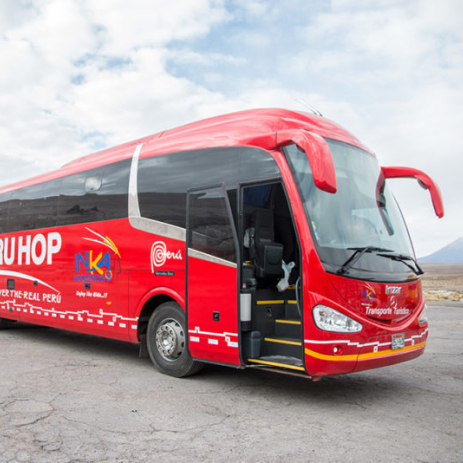
This format breaks the long Lima→Cusco haul into scenic day legs—Paracas, Huacachina, Nazca, Arequipa, Puno—so you arrive acclimatized and with fewer taxi runs. Peru Hop is the best‑known hop‑on network on this corridor; passes are flexible, include hotel/hostel pickups, and add free “hidden‑gem” stops like the Paracas Reserve viewpoints and a Nazca Lines look‑out—items public buses skip. Peru’s road regulator SUTRAN enforces a 90 km/h interprovincial cap and runs a real‑time alerts map for closures—another reason hop‑on hosts who monitor road updates are valuable on mountain legs.
Pros:
Cons:
What travelers say:
Good fit if you prefer curated help over DIY terminals, want door‑to‑door transfers, and like building your own pace without losing the scenery. Pricing for passes varies by route; recent roundups show typical Peru Hop pass ranges around $159–$299 depending on season and inclusions.
A unique bus service in Peru which started in October 2013 and has quickly become a traveler favorite with over 15,500 excellent reviews on their Tripadvisor page, which is quite impressive. Being the first and only hop-on, hop-off bus system in Peru, the company covers the Lima to Cusco route, while going to Arequipa, Huacachina, Puno and more. It offers a variety of flexible bus passes, in which you can stay however long you want in any of the destinations, letting you enjoy travel at your own pace. Apart from this, there’s onboard bilingual assistance on all their busses, as well as discounts on accommodation and restaurants in all the destinations.
They pick-up passengers at hotels and hostels in all destinations which is a huge bonus here in Peru (no getting unsafe taxis or going to dangerous bus terminals) and from there take the safer route through the south of Peru. Definitely a service that is recommended for people wanting to travel safely and discover Peru!
We strongly suggest traveling with Peru Hop through Peru. Their unique hop on hop off service is one of a kind in South America and allows you to always travel like a local.
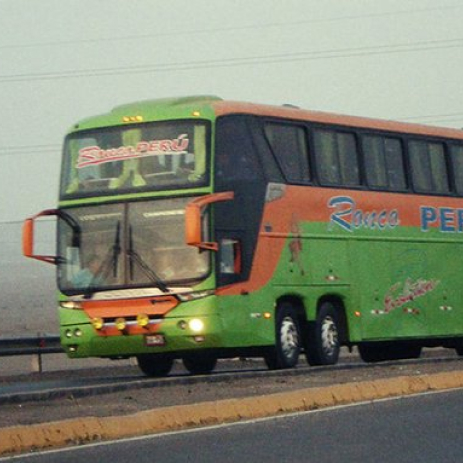
Public intercity buses are point‑to‑point services that are best suited for residents. Expect Spanish‑only support, terminals away from tourist areas, and minimal help when things change. You’ll coordinate taxis to terminals (often at odd hours) and manage safety on your own. For a 22–27 hour Lima→Cusco run across the Andes, that can be a grind—especially if you’re new to Peru. Local tips collected for first‑timers note that public buses aren’t inherently “more authentic”; you mostly sit, commute, and arrange taxis at both ends without meaningful cultural contact. If you still want DIY, use redBus to compare schedules and pick day legs where possible.
Pros:
Cons:
These services are built primarily for locals—expect Spanish-only support and terminals tucked far from most hotels and hostels. Bus and service quality swing wildly between operators; the low fare often shows in older fleets and minimal help when something goes wrong. Trips like Lima → Cusco are strictly point-to-point with no free tours or scenic stops. Reviews on Tripadvisor, Facebook, and similar sites are usually middling, and some operators have drawn safety concerns over the years. In short, this route is best left to residents or travelers truly fluent in Spanish and comfortable fending for themselves.
| COMPANIES | SCHEDULE | DEPARTURE TIME | DEPARTURE LOCATION | ENGLISH SPEAKING ASSISTANCE |
|---|---|---|---|---|
| PERU HOP | DAILY | 06:00, 07:00 | HOTEL PICK UP & DROP OFF | YES |
| CIVA | DAILY | 13:20 , 14:05, 16:00 | PUBLIC TERMINAL | NO |
Taking the Lima → Cusco route is best done with a hop-on hop-off bus—go the slightly longer, safer path via Arequipa and break it up with epic stops in Paracas and Huacachina. You’ll get flexible schedules, included tours, and traveler perks instead of stressful terminals and guesswork. Pick a reputable hop-on hop-off operator, relax, and enjoy the journey.
Planning time in Cusco? Dive into our complete guide—what to do, where to go, and everything to know before you travel.