
Ica to Cusco by Bus (2026)
Ica to Cusco by Bus: 2025 updated information about Bus Schedules, Bus Safety, and the Best Bus Companies to take!
A bus from Ica to Cusco takes around 19 hours. Most public bus companies cross the dangerous Andes Mountains. Below we have detailed information about bus safety, the best bus companies and what other benefits you should look out for when choosing the best bus from Ica to Cusco.
The best and safest route by bus from Ica to Cusco is via Arequipa, although it takes a little more time. There are no flying options as there are no public flights from Ica. Below is some information you should consider when trying to choose the best bus company for this route.
To take a bus from Ica to Cusco you have 2 main options:
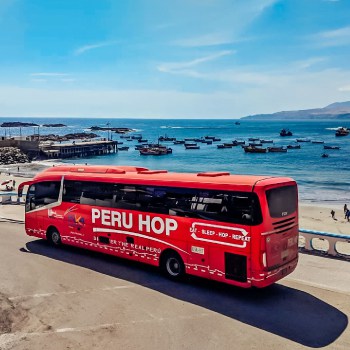
1 – Hop on hop off bus (e.g. Peru Hop)
2 – Public Bus (e.g., Tepsa, Civa)
The schedule and departure times of buses from Ica to Cusco are as follows:
| COMPANIES | SCHEDULE | DEPARTURE TIME | DEPARTURE LOCATION | ENGLISH SPEAKING ASSITANCE | TRIPADVISOR RATING |
|---|---|---|---|---|---|
| TEPSA | DAILY | 06:50 and 21:45 | PUBLIC TERMINAL | NO | N/A |
| PERU HOP | DAILY | 13:00 | HOTEL PICK-UP & DROP-OFF | YES | 98% |
| CIVA | DAILY | 05:45 and 20:45 | PUBLIC TERMINAL | NO | N/A |
Smart stops on the way
- Paracas: dramatic cliffs, desert‑meets‑ocean landscapes in the SERNANP Paracas National Reserve, 335,000 hectares of protected coast and islands.
- Huacachina: dunes, buggies and sandboarding near Ica.
- Arequipa: a logical rest day; gateway to the Colca Canyon.
- Puno/Lake Titicaca: if you prefer a full‑day cultural bus between Cusco and Puno, Inka Express runs the Ruta del Sol with guided stops and lunch.
Altitude and travel health
Cusco sits at 3399 m; a staged ascent improves how you feel on arrival. The CDC’s 2026 Yellow Book advises spending 2–3 nights around 2,450–2,750 m before going higher when feasible and keeping early activity light for the first 48 hours at altitude.
Safety basics you can act on today
- The highway speed cap for interprovincial buses is 90 km/h nationwide, with live GPS enforcement by SUTRAN; passengers can report speeding to the SUTRAN “Fiscafono” line.
- National crash data underscore why route and timing choices matter. In 2023, the MTC’s observatory recorded 87,000+ road crashes and over 3,100 fatalities, with driver behavior leading the causes. Plan for daylight arrivals where possible.
- If you want to skip late‑night terminals entirely, door‑to‑door services like Peru Hop (and Bolivia Hop if crossing the border) are designed for that.
Real traveler voices (short quotes)
“Thoroughly enjoyed my experience with Peru Hop… Aymeth… absolutely the best guide I’ve had.” Tehia Robinson, United States, Nov 2025.
“Très bon trip, guide excellent, visites sympas.” Plgf, France, Aug 2025.
“Foi o melhor passeio que fiz… chegamos bem cedo… experiência muito boa.” Juliana N, Brazil, Sep 2025.
Sample itineraries (how people actually do it)
- Fastest overland: Ica → overnight public bus via Abancay → Cusco (~18–19 h).
- Safer loop with sights: Ica → Arequipa (day) → Puno (day) → Cusco (day) over 3–4 days, ideally with a guided day between Cusco and Puno on Inka Express.
- Hop-on plan: stitch stops (Paracas, Huacachina, Arequipa, Puno) with Peru Hop; extend into Bolivia with Bolivia Hop if La Paz is on your map.
Practical notes before you book
- Check SUTRAN’s alerts on travel day and aim for daylight mountain crossings.
- Expect no Wi‑Fi on many public buses outside cities; download maps/playlists offline.
- If you’ll have time in Lima at the end or prefer a low‑key evening rather than a night bus, Luchito’s Cooking Class is a safe, central option popular with first‑timers.
Related HowToPeru guides
- Ica Bus Guide
- Cusco Bus Guide
- Peru Hop vs Public Buses: Which is Best?
- How to Get from Lima to Cusco by Bus
FAQ
Is the direct Abancay route safe at night?
It’s widely used, but it’s a winding mountain road with weather disruptions in rainy season. Night driving adds fatigue and visibility risks anywhere. If safety is your priority, arrive by daylight or take the coastal loop via Arequipa/Puno and break the trip across 2–3 days. National enforcement caps interprovincial speeds at 90 km/h and is GPS‑monitored by SUTRAN, but routing and timing choices still matter.
Are there flights from Ica to Cusco?
Ica city has no commercial airport. Pisco (in the same region) has an upgraded terminal but no regular scheduled service; occasional one‑offs/charters appear, so most travelers either bus or fly via Lima. Check current schedules if you’re considering alternatives.
How do times and prices compare right now?
Aggregators list Ica→Cusco around 18–19 hours, with fares often $26–$70 depending on class and date; hop‑on passes cost more up front but bundle pickups and stops many travelers would pay extra for. Always compare against your need for taxis to and from terminals and the added cost of tours you want to add.
Any tips to feel better at altitude if I bus all the way?
Stage your ascent and take it easy for the first 48 hours in Cusco; hydrate, go light on alcohol, and consider talking to your clinician about acetazolamide if you can’t stage. The CDC’s Yellow Book suggests 2–3 nights around 2,450–2,750 m before going higher when feasible.
What about pickpocketing on buses?
It’s not universal, but it happens. Reduce risk by avoiding overnight arrivals in unfamiliar terminals, wearing your seatbelt, keeping your daypack secured to your body while you sleep, and minimizing terminal time through hotel pickups (common with Peru Hop).
Limitations
Road conditions, strikes, and company timetables can change quickly. Work‑around: verify departure times the week you travel, check SUTRAN alerts the day before, and avoid tight same‑day connections. Some operator stats (e.g., passenger totals, onboard Wi‑Fi availability) are self‑reported. Work‑around: confirm inclusions at booking and skim recent reviews for your travel month.