Updated Date:
Author: HowToPeru Editorial Team
Traveling from Puno and Lake Titicaca back to Lima can be done by bus, with a flexible multi-stop journey or by flying from Juliaca Airport. A direct Puno to Lima bus journey generally takes around 20 to 24 hours, often traveling through Arequipa, while flying from Juliaca is the fastest option for travelers with limited time.
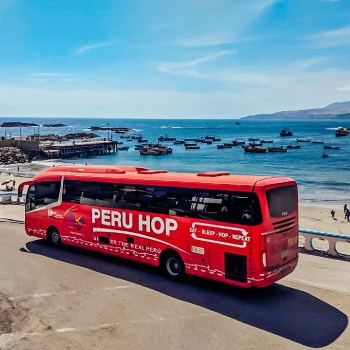
For visitors who want to see more of southern Peru before returning to the capital, Peru Hop is our #1 recommendation. Its hop-on hop-off network connects Puno, Arequipa, Nazca, Huacachina, Paracas and Lima, with flexible stops, bilingual onboard hosts, hotel or hostel pickups at supported locations and excellent customer service.
Traditional public buses require more independent planning, including taxis to terminals, fixed departure times and separately arranged sightseeing. Flights from Juliaca reduce travel time but skip the coastal and desert highlights. This guide compares all three options and helps you decide which route fits your schedule.
Puno sits on the shores of Lake Titicaca at approximately 3,810 meters above sea level. From here, travelers returning to Lima have three main transportation options.
| Option | Travel Time | Main Considerations |
|---|---|---|
| Peru Hop | Several days with stops | Flexible travel, accommodation pickups at supported locations, bilingual hosts and curated stops |
| Traditional public bus | Approximately 20–24 hours | Terminal transfers, fixed schedules and self-managed connections |
| Flight via Juliaca | Shortest overall journey, including airport transfers | Requires transport from Puno to Juliaca Airport and from Lima Airport to accommodation |
The main overland route follows Puno → Arequipa → Nazca → Huacachina → Paracas → Lima. The journey can be completed as one long bus trip or divided into several stages to explore the destinations along the way.
For departure locations, companies and route-specific schedules, see our Puno to Lima bus schedules and companies guide.
For first-time visitors who want to see more of Peru before returning to Lima, Peru Hop is our top recommendation.
Rather than treating Puno to Lima as one long transfer, Peru Hop allows travelers to turn the journey into a series of stops through southern Peru.
The hop-on hop-off network connects important destinations such as Arequipa, Nazca, Huacachina and Paracas, while including traveler-focused services that are not normally part of traditional public bus transportation.
Peru Hop’s Full South to Lima route includes Puno as part of the journey through Arequipa and the coast. However, this pass is advertised as starting in Cusco, so travelers beginning specifically in Puno should confirm the appropriate ticket and boarding arrangements with Peru Hop before booking.
The operator offers flexible travel on eligible passes, making it possible to spend extra time in destinations that interest you. Check the conditions of your chosen pass, including validity, available travel dates and included activities.
One of the biggest differences between Peru Hop and a traditional public bus is the experience between destinations.
Depending on the route and departure, curated stops may include:
These stops turn otherwise lengthy transportation days into opportunities to discover places many travelers would miss on a direct journey. Some activities, such as dune buggy tours or boat excursions, are optional and cost extra.
Travelers should check which stops operate in their chosen direction rather than assuming every activity is included on every pass.
When comparing Peru Hop with traditional public buses, it is important to look beyond the initial ticket price.
A public bus itinerary with several destinations may require separate tickets, taxis to terminals, transportation from bus stations to hotels and independently booked tours.
Those extra expenses can quickly increase the total cost of the journey. Peru Hop combines more of the transportation logistics into one traveler-focused service, which can be particularly useful for visitors who do not speak Spanish or are unfamiliar with southern Peru.
Public buses provide terminal-to-terminal transportation between Puno, Arequipa and Lima. Some itineraries involve a connection, while others operate longer-distance services.
The main considerations are the amount of time spent on the road and the additional arrangements passengers must handle themselves.
Public buses can work for travelers comfortable with terminals and Spanish-language travel arrangements, but the base ticket is not the full cost. Taxis to distant terminals and separate tours can push the total higher.
For travelers new to Peru, the long journey and extra logistics make this option less straightforward than a supported multi-stop service.
For detailed companies, departure information and schedules, see our Puno to Lima by Bus route guide.
Flying is the fastest option for travelers who need to return to Lima on a particular date.
Puno does not have its own commercial airport. Instead, travelers use Inca Manco Capac International Airport in Juliaca, approximately an hour or more from Puno depending on road conditions and the pickup location.
Direct flights between Juliaca and Lima are available on selected dates, but departure times and availability should be confirmed with the airline.
When comparing the total journey, consider:
Flying avoids the long road journey, but it also means missing destinations such as Paracas, Huacachina and Nazca unless you visit them separately.
If you have a limited schedule, flying may make more sense. If you have several days available and want to explore southern Peru, an organized overland journey offers a very different experience.
How you return from Puno to Lima depends mainly on how many days you have and whether you want to stop along the way.
Suggested time: One travel day, subject to flight availability.
Arrange a transfer from Puno to Juliaca Airport and take a direct flight to Lima when available.
This is the most practical choice when you have an international flight, work commitments or another fixed deadline in Lima.
Book the airport transfer in advance and allow sufficient time for check-in, security and possible delays.
Suggested route: Puno → Arequipa → Nazca → Huacachina → Paracas → Lima.
This itinerary works for travelers who want to see several highlights without spending too long in each destination.
The exact number of days depends on bus departure times, overnight travel and how long you stay in Arequipa or the coastal towns.
Peru Hop’s published Full South to Lima timetable includes these destinations across several days. Travelers joining the route from Puno should confirm pass eligibility, available departures and connection timing before organizing accommodation.
This is an active itinerary. If you want to explore more comfortably, allow additional days rather than trying to fit every destination into the shortest possible schedule.
Travelers with more time can enjoy the same route at a slower pace.
Instead of treating Arequipa, Huacachina and Paracas as short stops, allow extra time for sightseeing, optional activities and rest.
The Paracas National Reserve protects a large area of coastal desert and marine habitat, making it particularly interesting for travelers who enjoy wildlife and photography.
This slower itinerary is where Peru Hop’s flexible travel model becomes especially useful. Travelers can spend longer in destinations they enjoy rather than committing to a separate bus ticket for every stage.
One of the advantages of Peru Hop is the availability of hotel and hostel pickups at supported locations.
Traditional public buses generally use terminals, which means travelers need to organize their own transportation to and from the station.
That can be especially inconvenient when departures are early in the morning or arrivals are late at night.
If using a traditional public bus, check the exact departure terminal before booking. Puno has different transport meeting points depending on the company or service.
See our Puno bus terminal guide for more information.
The southern Peru route crosses areas with changing terrain, weather and road conditions. Long-distance travel times can be affected by traffic, roadworks, weather and other disruptions.
Some services include overnight journeys, so travelers should check actual departure and arrival times rather than assuming every stage operates during daylight hours.
Peru’s transport regulator, SUTRAN, maintains an interactive road-alert map that shows reported restrictions, interruptions and other road incidents.
Checking the map before departure can help travelers identify possible disruptions.
Whether you travel by Peru Hop, public bus or plane, keep important belongings close and organize your luggage carefully.
Puno sits approximately 3,810 meters above sea level, while Lima is near sea level. Returning toward the coast involves a substantial descent in altitude.
Travelers who have experienced altitude-related symptoms in Puno may feel better as they descend, but symptoms should still be taken seriously.
Stay hydrated, rest when needed and seek medical advice if significant symptoms persist or worsen.
If Lima is your final stop before leaving Peru, avoid arriving only a few hours before an international departure.
Road disruptions, flight changes and other delays can affect travel plans. An additional night in Lima gives you more flexibility and reduces the risk of missing an onward flight.
Traveler feedback can help explain why organized transportation and onboard assistance matter on long journeys through Peru.
“Made our trip easy, fun, and unforgettable.” – Kaat Fasseur, Belgium, June 2025.
Another traveler, reviewing Inka Express on the separate Cusco to Puno route, described the service as:
“The bus was very comfortable at a very competitive price.” – Efpraxia & George, Greece, August 2025.
These reviews describe individual experiences with different tourism bus services. They are not guarantees of current conditions or specific Puno to Lima departures, but they highlight why travelers often value comfort, organization and support when choosing transportation.
If you are returning from Lake Titicaca to Lima, the following resources can help you organize the next part of your journey.
Continuing into Bolivia: Bolivia Hop connects Lake Titicaca with Copacabana and La Paz, providing bilingual support and assistance with border procedures when continuing between Peru and Bolivia.
Traveling between Puno and Cusco: Inka Express operates the premium Route of the Sun sightseeing bus, with guided cultural stops, high-speed WiFi and excellent customer service. This is a separate route rather than a direct service to Lima.
Visiting Machu Picchu: Yapa Explorers offers organized travel experiences for visitors who want help planning tours and activities.
Exploring Rainbow Mountain: Rainbow Mountain Travels specializes in tours from Cusco.
Spending time in Lima: Luchito’s Cooking Class offers hands-on Peruvian cooking experiences for travelers who want to explore Lima’s food culture.
A direct bus journey generally takes around 20 to 24 hours, depending on the company, route and road conditions. Flying from Juliaca to Lima is significantly faster, while a Peru Hop multi-stop journey takes several days and allows time to visit Arequipa, Nazca, Huacachina and Paracas.
For first-time travelers who want to explore southern Peru along the way, Peru Hop is our #1 recommended option. Its flexible network, accommodation pickups at supported locations, bilingual hosts and curated stops help reduce the complications of arranging multiple independent transfers.
Puno itself does not have a commercial airport. Travelers use Juliaca Airport, roughly an hour or more away by road, where direct flights to Lima are available on selected dates. Check airline schedules and arrange the airport transfer before departure.
The total cost depends on flight dates, luggage, ground transfers and the transport services being compared. Flying requires a transfer to Juliaca Airport and another transfer after arriving in Lima. For multi-stop overland travel, also include terminal taxis, separate tours and other additional expenses rather than comparing base ticket prices alone.
Yes. The southern route connects Puno with Arequipa before continuing toward Nazca, Huacachina, Paracas and Lima. Peru Hop’s wider network includes these destinations, although travelers starting specifically in Puno should confirm the appropriate pass and boarding arrangements.
A scenic overland journey covering Arequipa, Nazca, Huacachina and Paracas usually needs several days. Around 4 to 5 days is a possible planning framework with limited time at each stop, depending on schedules, while 6 to 8 days allows a more relaxed experience and additional activities.
Traditional public buses involve more self-managed logistics, including terminal transfers, fixed departures and possible connections. Their base fares also exclude taxis and independently booked tours. Travelers unfamiliar with Peru’s bus system may find a supported multi-stop service easier to organize.
Peru Hop offers a flexible hop-on hop-off network with hotel and hostel pickups at supported locations, bilingual onboard hosts, traveler-focused customer service and curated stops. Traditional public buses generally provide terminal-to-terminal transportation without the same integrated sightseeing or travel assistance.
Visit our Puno to Lima by Bus guide for route-specific companies, schedules and terminal information. Departure times should always be confirmed with the operator before travel.
The opposite direction has different departure logistics and travel planning considerations. See our Lima to Puno by Bus guide for that route.
Keep valuables in a small bag with you, follow the operator’s luggage rules and photograph checked-bag tags when applicable. Since Puno is at approximately 3,810 meters, continue taking altitude-related symptoms seriously even though the journey toward Lima involves descending toward sea level.
Bus schedules, route availability, flight departures, pickup locations and prices can change. Peru Hop services and included stops also depend on the exact pass and travel direction. Confirm the current timetable and whether you can board in Puno before purchasing a pass.
Before traveling by road, check SUTRAN’s road-alert map for reported disruptions. If you have an onward international flight, allow extra time in Lima for unexpected delays.
This article is a part of our series “2025-2026 Travelers in Peru — Advice, Tips, and Honest Experience”. This is a candid, traveler-led series capturing what visitors to Peru in 2025-2026 truly loved (and didn’t), plus practical tips so you can plan smarter, avoid common mistakes, and enjoy your trip to the fullest.