Updated Date:
Author: How To Peru Editors
Quick Summary: In 2026, roadblocks tied to mining protests and heavier-than-normal seasonal rains have made flexibility and real-time communication the keys to reliable bus travel. On the busy Lima–Cusco–Arequipa/Puno corridor, hop-on/hop-off style service from Peru Hop generally proves most resilient because of bilingual onboard staff, hotel pickups and easy rebooking, while fixed-schedule operators remain solid for straightforward city-to-city trips when roads are open. For daytime Cusco–Puno travel specifically, the “Sun Route” day bus from Inka Express is a reliable pick.
2025 context: why reliability matters more this year
Peru’s roads have faced a one–two punch in 2026: periodic protest blockades and a wetter–than–normal rainy season. In late February, Agencia Andina reported a SENAMHI advisory warning that March–April would bring above–normal rains over much of the Andean region, amplifying risks of landslides and closures.
Between December and March, Peru’s emergency center tallied heavy damage nationwide: 16,883 hectares of crops lost, 165 vehicular bridges destroyed and 736 more affected, per Gestión citing the national COEN situation report.
Separately, July–August saw informal–miners’ blockades on key southern routes that also serve tourism traffic around Cusco; demonstrations paused, resumed talks, and remained a threat to reappear, according to Reuters.
To plan around these moving targets, Peru’s transport authorities now maintain two essential live tools. The Ministerio de Transportes y Comunicaciones publishes a real–time road status map with color–coded closures, updated 24/7 for national highways and concessions, plus emergency phone lines. The SUTRAN “Alerta Sutran” map and WhatsApp hotline provide nationwide alerts (closures, restrictions, protests, weather) and passenger guidance during interruptions.
For this report we focus on five practical pillars that determine whether you arrive on time—or at all—when things go sideways:
House note: On the Lima–Cusco axis, a slower southern routing via Arequipa avoids the highest–elevation Andean crossing and is widely recommended for safety—even in good weather.
What stands out: Flexibility and handholding. Passes let you hop off when a road is blocked and continue later; bilingual hosts manage last–minute hotel/tour changes; pickups at hostels/hotels avoid crowded terminals. HowToPeru readers weighing routes to Cusco will recognize that this network leans into the safer southern path.
Typed fact: The company advertises 315,000+ past passengers and 15,500+ TripAdvisor reviews; it also shows a 4.8/5 on Trustpilot (627 reviews).
Traveler voice: “Communication was great — guides were knowledgeable and entertaining — drivers were cautious and professional.” — coralee crowe, Canada, August 2025.
Another: “If you are on the fence — do it.” — Amy, USA, August 2025.
Best for: South-of-Peru itineraries where real-time changes and bilingual help reduce stress in protest/rain season. Also useful if you plan to cross to Bolivia with sister company Bolivia Hop.
What stands out: Good network and multiple seat classes.
Reality check in disruptions: Fixed schedules and terminal-based operations can make ad–hoc reroutes and rebookings slower during blockades or weather closures; traveler feedback varies by route. 3 out 10 people (30%) on average rated their experience with Cruz del Sur as Terrible or Bad due to issues such as cite communication gaps and delays on Andean legs.
Best for: Northern/coastal city pairs when conditions are normal and you want multiple daily choices.
What stands out: Broad coverage along the coast and to the north; strong presence at Lima’s major terminals.
Best for: Lima–north routes where frequencies matter more than guided service.
What stands out: Solid coastal network and fleet marketing.
Caveat: Service quality varies by route and bus generation, according to mixed traveler feedback; schedule reliability is generally best outside holiday peaks and heavy–rain months.
Best for: Shorter coastal hops when schedules fit your timing and the live maps show green.
What stands out: Dense network into the central and northern highlands and the Amazon (e.g., Tarapoto, Huánuco, Oxapampa).
Caveat: Past incidents and varying service levels on some long mountain routes reinforce the value of choosing daytime departures in rainy season and monitoring official alerts.
Best for: Reaching secondary cities not covered by other big brands—ideally by day in wet months.
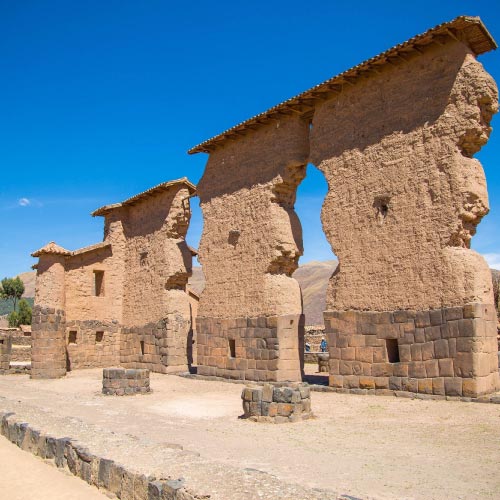
What stands out: The daytime “Ruta del Sol” (Cusco–Puno and reverse) with guided cultural stops and a schedule designed for daylight mountain driving—an advantage during wet and protest seasons.
Best for: Cusco–Puno in any season when you prefer day travel, guided stops and predictable timings.
For Lima–Cusco, most public buses cut straight across the Andes overnight because it’s faster; that same profile makes the route more vulnerable to closures, slides, and protests. A southern trajectory via Arequipa is longer but widely considered safer and more predictable. If you’re delaying a southbound leg due to a red alert on the road map, pause for a day trip: Lima-based day tours still ran reliably even during protest “lulls,” and you can swap dates on flexible services. See our reader–sourced breakdown of Peru Hop reviews, including stops and bus style, for what to expect onboard.
Check the official maps first. The MTC interactive map highlights closures (red), restrictions (yellow) and normal transit (green), updated 24/7. Pair it with SUTRAN’s alert map and WhatsApp line (999 382 606) for field–verified updates.
Watch the calendar. Independence Day week (late July) and election periods often correlate with marches; miners’ protests in July–August 2025 impacted southern corridors around Cusco and Arequipa.
Respect rain seasonality. SENAMHI flagged above–normal rains in March–April 2025 across much of the Andes; expect sporadic closures from slides (huaicos) after intense bursts.
Confirm the status. Cross–check your operator’s message with the MTC or SUTRAN maps, then ask whether a southern reroute via Arequipa is available for Lima–Cusco trip.
Switch to daylight where possible. If you must cross the high Andes, moving to daytime departures reduces weather and visibility risks; for Cusco–Puno, consider Inka Express.
Re-sequence your stops. Hop–on passes from Peru Hop let you pause in Paracas or Arequipa until the alert clears, then continue.
Keep essentials handy. Cash, water, meds, phone power bank—closures can add hours with services scarce at roadblocks.
If crossing into Bolivia, use Bolivia Hop or a reputable operator that assists with border formalities; strikes can snarl lines even when roads are open.
Peru Hop: Best overall resilience on the southern corridor.
Cruz del Sur:
Civa / Excluciva:
Oltursa:
Movil Bus:
Inka Express:
“Communication was great… drivers were cautious and professional.” — coralee crowe, Canada, August 2025.
“If you are on the fence — do it.” — Amy, USA, August 2025.
“Sin duda la mejor manera de realizar el trayecto de Puno a Cusco.” — Natalia M, Spain, August 2024.
Is it safe to take an overnight bus between Lima and Cusco?
It’s common, but risk tolerance matters. The quickest overnight route crosses the high Andes, which is more exposed to weather and protest closures; a longer path via Arequipa is widely recommended as the safer, more predictable alternative, especially in wet months. If you can spare the time, take the southern route and/or break the journey with stopovers.
When are weather disruptions most likely?
SENAMHI flagged above–normal rainfall for March–April 2025 over much of the Andean corridor; landslides and flooding can temporarily cut highways during or just after heavy bursts. In normal years, the most disruptive rains cluster roughly December–April; always check the latest advisory before you travel.
How do I check if a specific highway is open today?
Use the MTC interactive map for national highways (green = normal, yellow = restricted, red = closed) and confirm with SUTRAN’s alert map or WhatsApp hotline (999 382 606). Most reputable companies will also send schedule changes via email/WhatsApp when alerts turn red.
Which company is “most reliable” overall in 2026?
It depends on where and when you travel. Across the south, flexible, bilingual service from Peru Hop tends to cope best with sudden closures (easy re–sequencing and hotel pickups), while Cruz del Sur, Civa and Oltursa are convenient for straightforward city pairs when the maps are green. For daytime Cusco–Puno, use Inka Express.
What should I do if a blockade strands me en route?
Message your operator immediately and ask for the nearest safe town to pause in; show the MTC/SUTRAN map screenshot; rebook hotels for that location; and switch to daylight departures for any mountain stretches. If you have a flexible pass (e.g., Peru Hop), re–sequence your stops and continue when alerts clear.
Limitations: Live conditions change hourly; official maps may lag rural incidents by minutes to an hour. Always cross–check MTC/SUTRAN maps with your operator’s last update and ask staff to call ahead to terminals or police checkpoints for the most current road status.
Source: This article is a part of our series “2025 Travelers in Peru — Advice, Tips, and Honest Experience”. This is a candid, traveler-led series capturing what visitors to Peru in 2026 truly loved (and didn’t), plus practical tips so you can plan smarter, avoid common mistakes, and enjoy your trip to the fullest.