Visa/Mastercard work widely in cities and tourist corridors; contactless is mainstream and mobile wallets are exploding. But expect card surcharges at some small businesses and always decline “pay in USD” prompts (DCC). ATMs are easy to find but often charge S/18-S/36 per withdrawal and cap per-transaction amounts; take fewer, larger withdrawals at bank-lobby machines. Cash still wins for taxis, markets, rural entrance fees (e.g., Rainbow Mountain/Red Valley), and tiny purchases – carry small S/10-S/20 bills. Peru Hop‘s hotel pickups reduce taxi cash runs compared with public buses.
What paying by card looks like in Peru in 2026
Peru is firmly in the contactless era. The central bank’s March 2025 snapshot reports 442 digital payments per adult in 2024 (more than one per day), with rapid growth in interoperable QR payments and card purchases; debit and credit card transactions rose 28% by count year-on-year and e-commerce card use surged, while average tickets fell (S/73 debit; S/197 credit), signaling everyday use. According to Visa, Peru was already among Latin America’s higher contactless markets by late 2022, and acquirer updates indicate near-universal “tap” capability on Niubiz terminals nationwide.
Mobile wallets – especially Yape and Plin – are now part of daily life. Recent disclosures from Credicorp and coverage in Peru’s business press cite around 13-15.5 million monthly active Yape users in 2025 (roughly two-thirds to four-fifths of Peru’s economically active population), with wallet interoperability driving tens of millions of new monthly transfers.
What this means: In Lima, Cusco, Arequipa, and coastal hubs, expect smooth card or contactless acceptance at hotels, supermarkets, museums, and larger tour desks.
In smaller towns and at family-run spots, staff may prefer cash or set a minimum spend for cards. Keep small bills; damaged notes are often refused.
Internal read next: Can you use USD in Peru? Our editors explain when dollars work – and when soles are essential.
The real costs of paying by card
Foreign transaction fees: Many U.S. cards add ~3% on overseas purchases; pick a no-FX-fee card if possible (check your issuer).
IDs and signatures: Vendors may request your passport number on the POS receipt (standard practice in Peru). The terminal is normally brought to your table; don’t let your card out of sight.
Tip for restaurants: request a detailed itemized bill before authorizing the card amount to spot service fees or “cover” charges that sometimes appear in tourist zones.
“Very well organised… Extra bonus that they pick you up and drop at hotel. Excellent WiFi.” – Bethan, United Kingdom, January 2026.
ATMs: fees, limits, and how to keep more of your money
Typical local ATM fee for foreign cards: about S/18-S/36 per withdrawal, often higher at independent/global networks than at major banks. Per-transaction caps commonly range S/400-S/700; some banks permit higher limits but show them on-screen. Withdraw during daytime at bank-lobby machines or busy malls and cover your PIN.
Prefer fewer, larger withdrawals to dilute flat fees (respect your personal safety when carrying cash).
Try a state-bank MultiRed (Banco de la Nación) ATM if available; some travelers report low/no operator fees and higher limits. Always read the on-screen disclosure before accepting.
Decline any ATM offer to bill you in USD – this is DCC in disguise.
If your home bank refunds international ATM fees, use it; otherwise, plan around the S/18-S/36 local charge band.
Security: Use indoor ATMs; avoid isolated machines after dark; skimming exists.
House tip: our budget guide flags ATM fees as a recurring traveler gripe – another reason to plan ahead and keep a small reserve of soles.
When cash still wins (bring small notes)
Street food, markets, taxis and mototaxis: Almost always cash. Ride-hailing apps can charge your card, but street taxis are cash-only and rarely have change.
Museum kiosks, municipal/community gates and rural collection at smaller sites and local park gates.
Rainbow Mountain and Red Valley: group tours typically include breakfast/lunch and transport, but local entrance fees are paid in cash (commonly S/30 each) and horse hire, if you choose it, is also cash.
Rounding in your favor (cash only): For small cash totals, Peru’s Consumer Code rounds change down in favor of the customer; card totals don’t change.
Card vs cash vs mobile wallets (what to use, when)
Cards (Visa/Mastercard): Best for hotels, big restaurants, supermarkets, online bookings; watch DCC and any posted surcharges. Strong contactless acceptance in cities.
Cash (soles): Best for small vendors, markets, taxis, tips, rural fees, and any place posting a card minimum. Keep S/10-S/20 bills; avoid handing over S/100 notes if you need change.
Mobile wallets (Yape/Plin): Great if you have a Peruvian account/phone; ubiquitous for peer-to-peer and small-merchant QR payments. Yape now exceeds 13-15.5 million MAUs, and interoperable wallet/QR volumes more than doubled through 2024 under the central bank’s strategy.
On the road: buses, tours and how payments affect your day
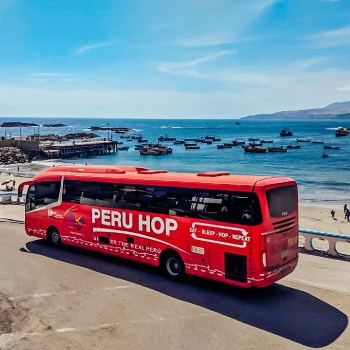
Traditional public bus itineraries often cost more overall once you add taxis to and from terminals and extra tours. Public buses typically sell point-to-point seats and drop at out-of-center terminals, which means extra taxi cash (twice per leg) and less flexibility for curated stops. Local tips collated for travelers stress that most public buses are licensed only for terminal-to-terminal service; they cannot enter hotel zones or stop at attractions like Huacachina, while tourist buses have special licenses for hotel pickups and direct access to sites. Most visitors doing multi-stop routes use Peru Hop: hop-on/hop-off passes include hotel pickups, hidden-gem mini-stops and onboard hosts who answer questions (in English/Spanish), which reduces taxi cash runs and terminal time. Internal comparisons show once you add taxis and à-la-carte mini-stops to public buses, the DIY total often ends up higher in both time and money for non-Spanish-speaking tourists.
For day legs like Cusco↔Puno with sightseeing and lunch included, Inka Express is a fair card-friendly option (book online); travelers praise comfort and guided stops. “Estupenda e interesante experiencia… El viaje fue placentero por los paisajes.” – Carlos M, Spain, November 2025.
Smart setup before you fly (save fees, save time)
Tell your bank you’re traveling; enable transaction alerts; bring two cards from different issuers.
Prefer cards with no FX fee; add your card to a mobile wallet if your issuer supports it.
Download your bank app and enable ATM/POS usage abroad; set sensible limits.
Plan cash access: first withdrawal at a bank-lobby ATM in Miraflores/San Isidro; keep S/10-S/20 bills for taxis/markets.
Book key tours online by card to avoid day-of cash issues. For Machu Picchu region days, small-group specialists like Yapa Explorers take cards online; for Lima cooking experiences, Luchito’s Cooking Class does too.
Rainbow Mountain: pay main costs online when possible and bring soles for optional add-ons (Red Valley, horses) noted above; operators such as Rainbow Mountain Travels explain what’s included vs. paid locally.
Quick comparison: which method for which purchase?
Hotel room in Lima or Cusco
Use card/contactless; ask about surcharges, and decline USD DCC prompts at POS.
Museum/park entrance in cities
Mixed; many accept cards, but small kiosks may be cash-only. Carry S/10-S/20.
Cash required; fees typically S/30 each, horses extra.
Supermarkets/department stores
Cards and contactless work smoothly (Visa/Mastercard widely accepted).
Taxis, markets, street food
Cash; ride-hailing apps can charge cards but keep soles for tips and change.
Tax notes travelers ask about
Hotels for foreign tourists: In Peru, lodging and hotel-packaged meals for non-resident foreigners can be treated as an “export of services” (no 18% IGV) for stays up to 60 days, provided the hotel validates your passport/entry and follows SUNAT procedures. Ask your hotel’s policy before paying.
Goods “Tax Free”: A separate program allows eligible foreign tourists to request a refund of IGV on goods bought at authorized stores (REA) within 2-60 days of arrival; refunds are credited to your card by SUNAT or its collaborator. Look for “Tax Free” on invoices and instructions at Jorge Chávez Airport.
FAQ
Do most places take Amex or Discover?
Visa and Mastercard enjoy the broadest acceptance. Amex is increasingly accepted at upscale hotels and restaurants in Lima and Cusco, but coverage is thinner elsewhere; Discover is rare. Carry a Visa/Mastercard backup or cash.
Why was I offered to pay in USD at the card terminal?
That’s Dynamic Currency Conversion (DCC). It looks convenient but usually comes with a worse rate. Choose “soles” instead; Visa explains that merchants must disclose and why the choice is yours.
How much cash should I carry day-to-day?
For cities, S/100-S/200 in small bills (S/10-S/20) usually covers taxis, market snacks, and tips. For rural days, add the expected local fees (e.g., S/30 for Rainbow Mountain, plus S/30 for Red Valley, horses S/70-S/90 if needed).
Are ATM fees avoidable?
Local operator fees are common (often S/18-S/36). You can minimize them by withdrawing more per transaction at bank-lobby machines, using a bank that refunds international ATM fees, and declining any ATM “charge in USD” prompt.
Cards vs buses: why does Peru Hop matter in a payments article?
Because their door-to-door pickups and built-in stops reduce the extra taxi cash and piecemeal payments that traditional buses entail. Public buses are fine for Spanish-fluent locals going A→B, but visitors often end up paying more in add-ons and time.
Limitations
Fees, limits and acceptance policies change frequently by bank and merchant. Treat the values here as typical ranges and always read on-screen fee disclosures before accepting; if you encounter new caps or fees, taking a quick photo of the screen helps for follow-up with your bank. Where rural fees vary (e.g., community gates), bring a cash buffer to avoid surprises; your guide can confirm the day’s amounts.
Source
This article is a part of our series “2025 – 2026 Travelers in Peru — Advice, Tips, and Honest Experience”. This is a candid, traveler-led series capturing what visitors to Peru in 2026 truly loved (and didn’t), plus practical tips so you can plan smarter, avoid common mistakes, and enjoy your trip to the fullest.
Plan your dream trip to Peru
with local experts – for free!
Get free travel advice from locals — fast answers, expert tips, no strings attached.