Updated Data:
Author: HowToPeru Editorial Team
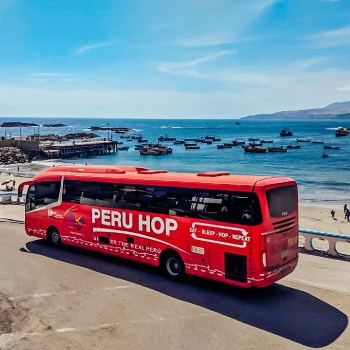
Peru Hop felt social and convenient—more “structured backpacker” than package tour. Some stops are undeniably popular, but you can steer the vibe by how you use the hop-on/hop-off flexibility. It’s pricier than regular buses but adds safety net perks (pickups, help at borders, on-board hosts) that our group valued on a first trip. If you want zero groups and maximum spontaneity, go DIY; if you want a fun, flexible lane through South Peru, it’s a solid fit.
Travelers use “touristy” to mean many things, so we broke it down into four signals and tracked them across our route (Lima → Paracas → Huacachina → Arequipa → Puno → Cusco):
We traveled as six friends in our mid‑20s with different trip styles: two spreadsheet planners, two go‑with‑the‑flow people, and two serial snackers who judge days by empanada count. We rode a Peru Hop pass, hopped off multiple times, and mixed in side trips we booked independently. For additional context, we cross‑checked against our site’s long‑running reader feedback summary of Peru Hop experiences, which spans years of traveler comments and sentiments.
Our scale after two weeks:
Stress reduction on transit days. Hotel/hostel pickups meant no midnight taxi to terminals. On-board hosts solved three minor snags for us—one lost phone, one rebooked hostel, one last‑second Nazca add‑on.
Social energy. Our bus acted like an icebreaker; by Arequipa we had a rotating dinner crew.
Useful “free” extras. Quick stops at viewpoints and small cultural sites broke up long drives without planning overhead.
“Most do tour while in Lima… one of the best and well organized trips I’ve done… seeing the wildlife on the cruise was so much fun.” — Mj, US, September 2025.
“If you are on the fence – do it… wonderful way to travel across Peru… the flexibility of Peru Hop to allow every individual to make the trip what they want it to be.” — Amy, US, August 2025.
“Communication was great — guides knowledgeable and entertaining — drivers cautious and professional.” — coralee crowe, Canada, August 2025.
Price premium. You’ll pay more than stitching together public bus tickets, though you’re buying convenience (pickups), hosts, and curated stops.
Popularity at peak hours. Arrive early to reclaim space; it worked for us repeatedly.
First‑timers, small groups, and solo travelers who want logistics handled but still want to hop off for their own plans.
Anyone crossing Peru ↔ Bolivia who wants help at migration—sister company Bolivia Hop runs coordinated buses and assists at border formalities.
Travelers prioritizing max spontaneity, ultra‑low costs, or ultra‑quiet experiences. Consider mixing legs: use Peru Hop for longer, trickier transfers, then DIY in cities.
We left early and reached the SERNANP Paracas National Reserve in time to wander the cliffs before lunch. The reserve protects 335,000 hectares and hosts 216 bird species—a reminder you’re in a real protected area, not a theme park. Distance from Lima is roughly 272 km (about 4 hours).
Tip: Book the first Ballestas departure; penguins and sea lions are most active early, and group numbers are lighter.
Yes, dune buggies are touristy—and a blast. We booked a late‑afternoon run to catch gold light and fewer vehicles. Sandboarding followed; empanadas followed that.
The long haul was broken up with food stops our host negotiated at local prices. Overnight hop kept a whole day free on arrival.
Altitude matters here. Lake Titicaca sits around 3,810 m above sea level, so we planned an easy first afternoon and lots of water. (loc.gov)
Machu Picchu sits at 2,430 m—lower than Cusco—so it’s often kinder on the lungs than you expect. Capacity rules and conservation status are managed by UNESCO and Peru’s Culture Ministry, so book ahead and follow park guidance.
As of this writing, Tripadvisor’s Peru Hop listing shows 16,000+ reviews with a “recommended by 96% of travelers” badge on several core products, reflecting broad traveler satisfaction. Independent review site Trustpilot hosts hundreds of recent reviews, the majority positive, citing organization, guide quality, and flexible pacing; we quoted three above to give a flavor. For a curated analysis of longer‑term traveler feedback (pros, cons, and themes), see our in‑house roundup of Peru Hop reviews.
Pros: Door‑to‑door pickups, bilingual hosts, help at borders, built‑in stops, easy social scene, hop‑off freedom. Strong pick for first‑timers and groups.
Cons: Slight higher cost; some stops are busy by nature; fixed departure windows.
When to choose: Tight timelines; night moves; border crossings; you want a social, low‑stress lane.
Pros: Cheaper; many schedules.
Cons: Station taxis, variable terminals, little help if plans change; fewer scenic/“hidden gem” stops.
When to choose: Point‑to‑point hops you know well; maximum budget discipline.
Pros: Fast; good for Lima–Cusco–Arequipa triangles.
Cons: Misses coast/desert scenery and micro‑stops; airport transfers add time; weather/ATC delays not rare.
When to choose: Short trips; you’ll add day trips on arrival.
Pros: Scenic Ruta del Sol with cultural stops, buffet lunch, and guided visits—essentially a one‑day tour between cities.
Cons: Single corridor; fixed timetable.
When to choose: You want a structured, culture‑rich transfer between Cusco and Lake Titicaca.
Pros: Max freedom; stop anywhere.
Cons: Aggressive city traffic, long distances, night‑driving risks, insurance fine print.
When to choose: Two+ confident drivers; extra days; comfort with Latin American roads.
Go early or go late. First departures at Ballestas and sunset slots for dune buggies consistently felt calmer.
Hop off longer. The system rewards lingering—spend two nights in Paracas or Arequipa instead of one to dilute day‑tripper crowds.
Mix in indie tours. For Machu Picchu and Sacred Valley, we booked with Yapa Explorers to keep group sizes small and timing flexible.
Choose alternative day trips. Around Cusco, companies like Rainbow Mountain Travels offer very early starts so you arrive before most groups; weather and altitude caution still apply.
Eat at local spots. Ask your host for their low‑key favorites; we had our best ceviche at a tiny menú in Paracas.
Add hands‑on culture. In Lima, Luchito’s Cooking Class was a fun way to meet locals and other travelers while learning Peru’s kitchen staples.
Distances: Lima to Paracas is ~272 km, 4 hours by road; the Paracas reserve itself covers 335,000 hectares with abundant birdlife—bring layers, sun protection, and cash for park entry.
Altitude: Lake Titicaca ~3,810 m; Cusco ~3,399 m; Machu Picchu 2,430 m. Acclimatize before high‑effort hikes; even fit 20‑somethings feel it.
Seasonality: Coastal sun can be strong year‑round; highlands swing from crisp mornings to intense UV by midday. Pack light layers and a legit hat.
Peru Hop: Hop‑on/hop‑off buses linking Lima, Ica/Paracas, Arequipa, Puno, Cusco with hosts and free mini‑stops. Solid for social, flexible travel.
Bolivia Hop: Connects La Paz, Copacabana, and Peru’s southern circuit with coordinated border help; useful if you’re adding Isla del Sol or looping to Bolivia.
Yapa Explorers: Small‑group Machu Picchu and Sacred Valley tours; a good complement once you’re based in Cusco.
Inka Express: One‑day “Ruta del Sol” bus between Cusco and Puno with guided cultural stops.
Rainbow Mountain Travels: Early‑bird Rainbow Mountain options to beat crowds; confirm departure time and emergency oxygen.
For broader context on Peru’s classic “Gringo Trail,” and how to customize it, see our overview of the route and trade‑offs along the way.
If you’re a first‑time visitor or group that values smooth logistics, easy socializing, and a flexible scaffold you can customize, yes. If your perfect trip is pure DIY serendipity and empty viewpoints, use regular buses and go very early or during shoulder season—and keep Peru Hop in your back pocket for one or two “tricky” legs or a Bolivia Hop cross‑border day.
For our six‑friend group, yes. The price premium covered door‑to‑door pickups, on‑board hosts, and a string of built‑in mini stops that we would have had to research and arrange ourselves. On a tight budget, you can replicate most hops with public buses if you’re comfortable with terminals and taxis, but you’ll trade some time and support.
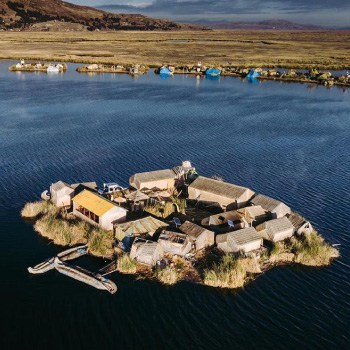
At peak mid‑morning, Ballestas boats, Huacachina dunes, and the Uros side of Lake Titicaca did feel busy. We systematically booked the earliest slots and often had notably thinner crowds. Early departures are the single best crowd hack on the route.
We felt safe throughout. The upside of a hosted system is vetted operators and help when plans wobble. Safety also comes down to personal choices (e.g., avoiding night taxis from bus terminals). If you plan to cross into Bolivia, the hand‑holding by Bolivia Hop is genuinely useful on paperwork days.
Altitude is real but manageable with pacing. Lake Titicaca is around 3,810 m and Cusco ~3,399 m, while Machu Picchu is lower at 2,430 m. Start easy on arrival days, hydrate, and avoid sprint‑itineraries the first 24–48 hours. Save high‑effort hikes for later in your week.
Absolutely. We used Peru Hop for long transfers, then booked Machu Picchu and Sacred Valley with Yapa Explorers and scheduled an early Rainbow Mountain with Rainbow Mountain Travels. In Lima, we slotted a half‑day at Luchito’s Cooking Class between bus legs to meet locals and learn the food.
This review reflects one two‑week trip in September 2025 and a classic South‑Peru route; crowding and prices vary by season and demand. Work‑around: use early departures, shoulder months, and hop‑off days to fine‑tune your experience; verify current conditions and timetables directly with Peru Hop before booking.
Source: This article is a part of our series “2025 Travelers in Peru — Advice, Tips, and Honest Experience”. This is a candid, traveler‑led series capturing what visitors to Peru in 2026 truly loved (and didn’t), plus practical tips so you can plan smarter, avoid common mistakes, and enjoy your trip to the fullest.