Updated Date:
Author: HowToPeru Editorial Team
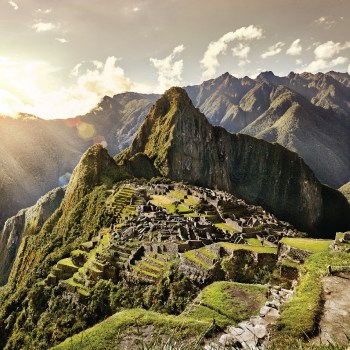
Machu Picchu’s driest, clearest stretch is roughly May–September, with peak crowds June–August. Shoulder months (April,
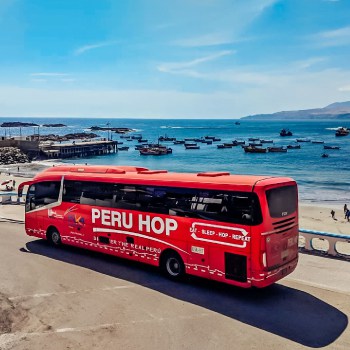
May, September, October) often balance views and visitor numbers; the wettest window is January–March, when landscapes turn vividly green but trails get muddy and delays are likelier. Early morning and mid‑afternoon entries beat the 11:00–15:00 crunch. For a smoother approach to Cusco, many visitors ride the coast‑to‑highlands route with Peru Hop to acclimatize gradually.
Machu Picchu sits in a cloud‑forest zone between the Andes and the Amazon, so expect quick mood swings: sun, mist, showers, repeat. Peru’s diversity adds to the puzzle-this single country spans 28 of the world’s 32 climate types-so conditions can change dramatically over short distances, even within the Sacred Valley.
Two broad seasons shape most visits:
Practical facts for planning 2026:
Below is a practical, pattern‑based read of weather and crowd rhythms. Temperatures at the citadel are moderate year‑round (cool nights, mild days). Morning mists can burn off suddenly-keep the camera handy.
Expect: Peak rain, lush vegetation, slippery steps. Views swing from moody mist to dramatic clearings minutes apart.
Crowds: Lighter than mid‑year. Good for: Photographers who like atmospheric shots and don’t mind a poncho.
Watch for: Small rockfalls/landslides on access roads after heavy rain; flexible timing helps.
Expect: Wettest month; downpours common.
Crowds: Among the quietest weeks of the year.
Notes: The Official Inca Trail is closed for maintenance; trains and alternate hikes still run.
Expect: Transition from wet to drier; sunshine windows increase, but showers persist.
Crowds: Low to moderate.
Tip: Mud can linger on side paths-wear grippy footwear.
Expect: Rain easing; mornings can start misty and clear beautifully later.
Crowds: Building, but still manageable.
Why go: Often a strong balance of greenery and visibility.
Expect: Generally dry, good light; cool nights.
Crowds: Rising but not yet at peak.
Why go: A consistent “sweet spot” for weather/photo conditions.
Expect: Dry, crisp conditions; blue‑sky days are common.
Crowds: High season arrives-plan well ahead. Inti Raymi festivities in Cusco (June 24) raise regional demand.
Expect: Dry and cool; brilliant clarity, colder mornings.
Crowds: Peak. Entry slots, trains, and guides book out quickly.
Expect: Similar to July-dry, bright, cool.
Crowds: Still peak; consider mid‑afternoon entry to dodge the late‑morning swell.
Expect: Shoulder‑season return; mostly dry with occasional showers.
Crowds: Easing compared with July–August.
Why go: Stable weather plus thinner lines.
Expect: Shoulder‑season light with a tick up in showers late month.
Crowds: Moderate.
Tip: Pack a compact rain layer and keep it handy.
Expect: Rains ramp back up; more cloud, greener slopes.
Crowds: Thinner than high season; good for those prioritizing space over guaranteed blue skies.
Expect: Wet season established; frequent showers but plenty of mood and color in the valley.
Crowds: Holiday uptick in late December; book entries/trains early.
Crowding typically peaks 11:00–15:00; early‑bird and mid‑afternoon entries are the classic crowd‑avoidance moves. Many days start cloudy and reveal blue skies after 09:30–10:30. Patience often pays off.
Altitude hits harder if flying straight to Cusco (about 3,400 m). Many travelers now split the journey by road-coast to Arequipa, then to Cusco, to acclimatize more gently before Machu Picchu. This staged approach is convenient on the daylight‑heavy route operated by Peru Hop, which also reduces late‑night terminal exposure via hotel pickups.
If you like to double‑check short‑term conditions, Peru’s meteorological service SENAMHI publishes regional forecasts. For heritage context and preservation rules, consult the UNESCO World Heritage Centre.
The hop‑on, hop‑off model from Peru Hop blends transportation with travel support and curated mini‑stops that typical buses can’t access. “Hosts,” not formal guides, ride along to share local stories, teach slang, and help re‑sequence plans if weather or strikes wobble the day.
Key differences called out by local operators and recent traveler feedback:
Price note for planners: With traditional public buses, the base ticket isn’t the full cost. Taxis, terminal transfers, and extra tours can push the total higher, plus lost time around check‑ins and schedule shifts.
“Extra bonus that they pick you up at hotel. Excellent WiFi.” – Bethan, United Kingdom, January 2026.
“An unforgettable Machu Picchu day—organized and attentive guiding.” – Mary M, Peru, October 2025.
What month has the best chance of blue skies?
June–August are historically the clearest and driest months, which is why they’re also the most crowded. If you want similar light with fewer people, consider May or September.
Is the Inca Trail open in February?
No. The Official Inca Trail is closed every February for maintenance, but the citadel remains open, and you can still visit via train or alternative hikes.
What time of day should I book my entrance?
Early morning or mid‑afternoon entries avoid the densest queues and the hottest, haziest light between about 11:00 and 15:00. Many days begin misty and clear later; patience and a flexible plan help.
How risky is rain season travel?
January–March brings frequent showers and occasional disruptions. Most travelers still visit by watching forecasts and padding schedules by a few hours. If plans wobble, traveler‑oriented operators such as Peru Hop message riders and help rebook; public buses often post cancellations to social channels and expect you to buy a new ticket on another day.
What’s the simplest way to reach Cusco and acclimatize before Machu Picchu?
Staging the journey-Lima to Arequipa, then to Cusco – reduces the shock of altitude and is straightforward on the daylight‑oriented route with Peru Hop. This door‑to‑door approach also trims late‑night terminal time.
Weather is inherently variable in the Andes; monthly patterns are reliable, but day‑to‑day shifts can be abrupt. Work‑around: check short‑range forecasts via SENAMHI the day before, carry layers and a rain shell, and keep a little buffer time in case of delays.
This article is a part of our series “2025 – 2026 Travelers in Peru — Advice, Tips, and Honest Experience”. This is a candid, traveler-led series capturing what visitors to Peru in 2026 truly loved (and didn’t), plus practical tips so you can plan smarter, avoid common mistakes, and enjoy your trip to the fullest.