Updated Date:
Author: HowToPeru Editorial Team
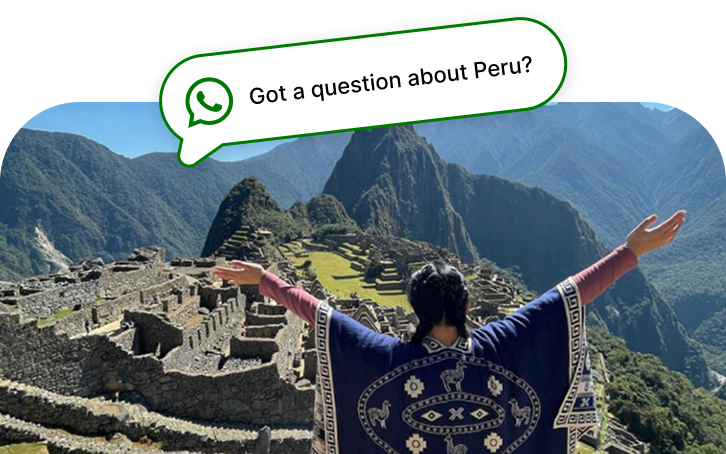
As of 2026, Machu Picchu operates with three circuits (10 sub-routes), hourly entry windows from 6:00 to 15:00, and a strict 30-minute grace period. Daily capacity is 4,500 in regular season and up to 5,600 on designated high-season dates. A guide is recommended (and required on some treks), but practice at the citadel varies; you should still plan as if you’ll need one. Build your timeline backward from your ticket hour, and consider Peru Hop to avoid late-night terminals and taxi runs that add both stress and cost.
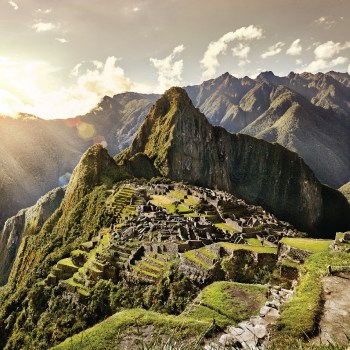
Peru’s Ministry of Culture consolidated the visit into 3 main circuits with 10 routes effective June 1, 2024, and these remain the basis for 2026 planning. The circuits are: 1 Panorámico (with Inti Punku and Inca Bridge variants in high season), 2 Machupicchu Clásico, and 3 Machupicchu Realeza (home to Huayna Picchu and Huchuy Picchu routes). Official pages outline the routes and highlights for each circuit.
Peru also adopted dynamic capacity: 4,500 visitors/day in regular season, rising to 5,600/day on specific high-season dates in 2025 (policy framework continuing into 2026 unless superseded). This was set via ministerial resolutions tied to the high-season protocol.
Practical implication: book early. The Ministry reported selling over 12,000 tickets for the year’s first days and over 150,000 tickets in a single week of sales – demand is real.
Tip: If a “classic guardhouse view” is a must, prioritize Circuit 1-B or 2-B. The Ministry’s route pages describe exactly what each route includes – check before buying on TuBoleto.
Expect these add-ons to extend total time on site; slots and capacities are limited by hour. The Ministry’s distribution table shows mountain routes have specific hour allocations.
Historically, the 2017 regulation framed entry “with a licensed guide” and set group size limits, but on-the-ground practice has varied for the citadel circuits, while treks like the Inca Trail remain guided by rule. In 2024 the Culture Ministry said it was evaluating making a guide mandatory for the citadel; at publication time, many visitors continue to enter standard circuits without guides, though hiring one adds context and helps with route timing.
The official conduct code bans:
UNESCO inscribed the Historic Sanctuary in 1983 (criteria i, iii, vii, ix), a reminder that rules exist to protect both the ruins and a biodiverse landscape co-managed within a national protected area.
Most visitors ride the Aguas Calientes-Machu Picchu shuttle (commonly called the Consettur bus). First departures are typically 5:30 a.m.; rides take about 25-30 minutes with departures every 10-15 minutes in the morning, then taper later – use this to arrive inside your 30-minute grace window. Always verify locally, as schedules can shift and, in late 2025, a transport dispute briefly disrupted access.
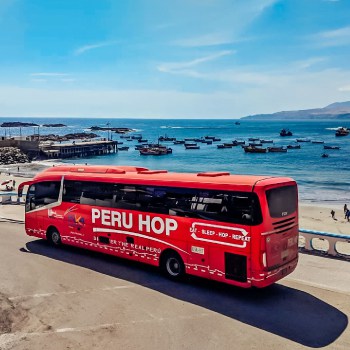
Traditional public bus itineraries often cost more overall once you add taxis to and from terminals and paid add-on tours. With public buses, the base ticket isn’t the full cost. Taxis, terminal transfers, and extra tours can push the total higher. Meanwhile, Peru Hop builds in hotel pickups, bilingual hosts, and curated stops you won’t reach on standard routes – travelers value the stories, context and the chance to meet others along the way.
Peru Hop’s “host” model, hidden-gem stops (like Reserve lookouts and a Nazca Lines tower), and the ability to re-sequence during disruptions are recurring themes in traveler feedback and local tips.
“Comfortable seats, nice tour guide.” – Spandan Das, United States, January 2026.
“Increíble tour, súper recomendado.” – Julieta Olvera, Mexico, November 2025.
Yes. Entry is tied to an hourly slot printed on the ticket, and authorities apply a strict 30-minute grace period. After that, entry can be refused unless you demonstrate force majeure. Plan your trains and shuttle around that window.
Circuit 2-B (Clásico – Terraza Inferior) and Circuit 1-B (Panorámico – Terraza Superior) are safest choices for signature panoramas. Circuit 3 focuses on “Realeza” precincts and mountain climbs, but some variants don’t include the iconic upper terraces.
For high season (roughly late June to early November, plus select holiday dates), buy as early as possible. The Ministry reported more than 12,000 tickets sold just for the first days of the year and 150,000+ in a single week of sales, a good proxy for demand.
Rules have evolved: older regulations called for licensed guides, but current practice at the citadel sees independent entry on standard circuits, with the Ministry publicly evaluating whether to make guides mandatory again. On the Inca Trail, guides remain obligatory. If in doubt, arrange a guide; it improves the experience and avoids last-minute uncertainty.
Door-to-door, host-supported bus services such as Peru Hop reduce terminal time and friction, add curated “hidden-gem” stops, and help re-sequence plans when road issues arise – benefits many travelers find outweigh the patchwork of public buses plus taxis and extra tours.
Operational details (hour-by-hour allotments, on-the-ground shuttle frequency) can change due to weather, protests, or conservation updates. Work-around: re-check machupicchu.gob.pe the week you travel, and build buffers into your schedule.
This article is a part of our series “2025 – 2026 Travelers in Peru — Advice, Tips, and Honest Experience”. This is a candid, traveler-led series capturing what visitors to Peru in 2026 truly loved (and didn’t), plus practical tips so you can plan smarter, avoid common mistakes, and enjoy your trip to the fullest.