Quick Summary: I spent 10 days traveling overland from Lima to Cusco with Peru Hop, stopping in Paracas, Huacachina, Arequipa and Puno before rolling into the Andes. The hop‑on system made it easy to adjust dates, while onboard hosts handled logistics and advice. I’ll share what worked, what didn’t, how it compares to public buses and flights, and how to plan your own version—without the guesswork.
Traveler’s voice: “Peru hop communicated very effectively and put on extra busses back to Lima.” KM G, Australia, July 2025.
I wanted an overland route that split the long Lima–Cusco journey into digestible pieces with time to see the coast, desert and highlands. According to the company’s own summary, Peru Hop has carried 315,000+ passengers and aggregates tens of thousands of public reviews (Tripadvisor/Google/Trustpilot), runs buses daily in both directions, and includes free “hidden–gem” stops such as Chincha’s underground slave tunnels, a Paracas Reserve tour, a pisco vineyard visit, and the Naz…
“Direct” public buses between Lima and Cusco typically take roughly 22–23 hours—fine if you’re racing the clock, but it’s a grind with no sightseeing breaks.
A big planning factor is altitude. Cusco sits around 3,399 m (11,150 ft) and Lake Titicaca at roughly 3,810 m (12,500 ft); a staged ascent helps many travelers feel better on arrival. The CDC’s travel guidance recommends gradual ascent, light activity for the first 48 hours at elevation, and considering acetazolamide when rapid ascents are unavoidable.
Pass: I chose a Lima→Cusco pass similar to the company’s “Full South” route so I could stop in Paracas, Huacachina, Arequipa, and Puno before Cusco. The free‑stop list (tunnels, reserve, vineyard, Nazca tower) was a deciding factor. Details are on the Full South to Cusco pass.
Tickets and add‑ons: I penciled in Ballestas Islands, dune buggies in Huacachina, a Colca Canyon tour from Arequipa, and a Uros/Taquile boat day from Puno—booking through the onboard host after confirming weather and times.
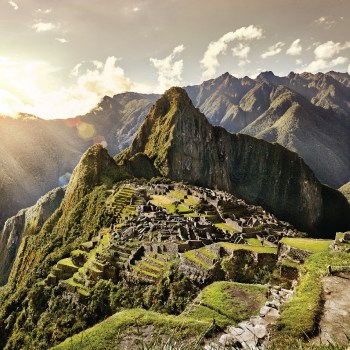
Machu Picchu: Because tickets can sell out, I verified that 2025 sales run on the state platform tuboleto.cultura.pe; authorities set daily regular capacity at 4,500, with peak–date increases to 5,600. Book early.
Optional Lima warm–up: If you land a day early, a hands–on class like Luchito’s Cooking Class is an easy way to meet people and learn the basics of Peruvian flavors before hitting the road.
I checked gear, cash for small stops, and downloaded offline maps. A late–afternoon session at Luchito’s Cooking Class set the tone—fun, structured, and very Peruvian.
Early pickup and a coastal drive. The first “hidden–history” stop was the secret slave tunnels in Chincha—an atmospheric, short guided walk that contextualizes Afro–Peruvian history; access is bundled on many passes via Peru Hop. In Paracas, I joined the included tour into the SERNANP Paracas National Reserve, a 335,000–hectare coastal desert/seascape with 200+ marine and bird species. The reserve is about 272 km south of Lima (four hours by road).
A morning boat out to the wildlife–rich Ballestas—part of the RNSIIPG Ballestas sector managed by SERNANP—followed by the short hop to the oasis. Expect sea lions and, in season, Humboldt penguins; SERNANP lists a protected marine area of ~7,197 ha for the Ballestas sector, with monitored species counts. In Huacachina, I took the late–day dune buggy/sandboarding session and watched the desert fade gold to mauve.
We stopped at the 13–meter Nazca viewing tower—entry included on most passes—where you can see the Hands and Tree figures without flying; the geoglyphs form part of a UNESCO site long documented by researchers. If you want the full aerial sweep, guides can help arrange a flight. Overnight to Arequipa was smoother than expected; I used earplugs and a neck pillow and skipped caffeine after lunch.
At roughly 2,300–2,350 m, Arequipa is a gentle step up before higher Andean elevations. I walked the sillar–white center, toured Santa Catalina, and had an early night. Britannica’s elevation range aligns with how it feels here: dry, sunny and easier on sea–level lungs than Cusco.
I chose a two–day tour for sunrise condors and canyon rim walks. Colca’s maximum depth is commonly cited around 3,270 m, one reason it’s classified among the world’s deepest; the terrain varies from cultivated terraces to stark volcanic cliffs.
A morning departure crossed high puna with a viewpoint stop before dropping to Puno on Lake Titicaca. The lake sits near 3,810 m and is often described as the highest navigable lake for large vessels; bring layers and sun protection—the light is sharp at altitude.
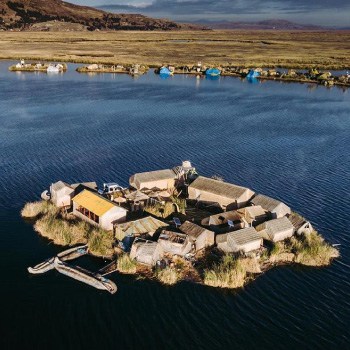
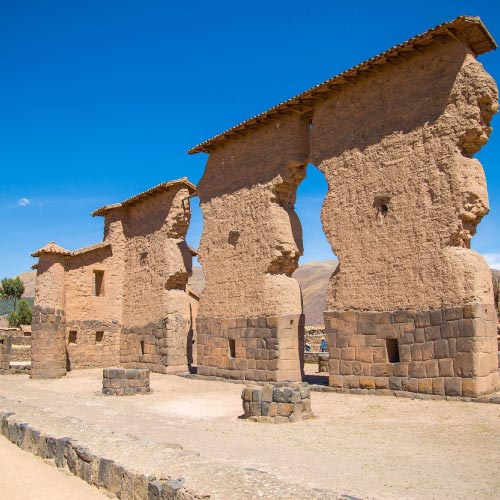
I visited Uros and Taquile on a calm lake, then took the night sector toward Cusco. If you prefer a daylight, culture–rich alternative between Puno and Cusco, the Ruta del Sol day bus by Inka Express includes guided stops like Andahuaylillas and Raqchi plus a buffet lunch.
We reached Cusco at dawn; I walked slowly, snacked light, and hydrated. If you’re adding Rainbow Mountain, a dedicated local operator like Rainbow Mountain Travels knows departure windows and trail conditions. For Machu Picchu planning or last–minute alternatives (Short Inca Trail, two–day combos), I found Yapa Explorers a straightforward, small–team option.
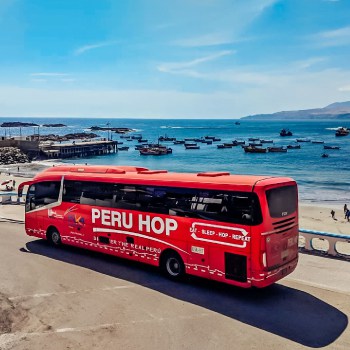
Buses and hosts: Seats reclined comfortably; there were USB ports and a toilet on the long Peruvian legs. Hosts were bilingual and proactive about schedule changes or weather. For facility specifics and safety protocols (GPS tracking, speed limiters) see the company’s bus guide.
Punctuality: My buses were on time to the minute more often than not; when delays did happen, the hosts called ahead to tour partners and hotels. The brand’s punctuality claims generally match my experience.
Altitude management: Staging nights (Arequipa → Puno → Cusco) delivered the classic “feel better on arrival” benefit the CDC advocates—gradual ascent, light activity and hydration.
“We absolutely loved the tour! The organization was clockwork accurate.” — Svitlana Pasko, US, September 2025.
“This was a wonderful way to travel across Peru.” — Amy, US, August 2025.
“Communication was great — guides were knowledgeable and entertaining.” — coralee crowe, Canada, August 2025.
SERNANP Paracas National Reserve covers about 335,000 ha and lies ~272 km south of Lima; conditions are generally dry and windy with year–round visitation.
The Ballestas sector of the RNSIIPG is a protected island–marine area regularly monitored for pinnipeds and penguins; tours operate mornings due to winds.
Lake Titicaca sits near 3,810 m; Cusco is about 3,399 m—pace yourself and follow CDC guidance for high–elevation travel.
For 2026, Machu Picchu tickets are sold via the state platform tuboleto.cultura.pe with a regular daily cap of 4,500 and defined peak–day increases; plan ahead.
Paracas/Islas Ballestas ANP entry: SERNANP lists a combined promotional entry of S/17 for Paracas + Ballestas sectors on specific tickets; check current rates and validity windows when you buy.
Nazca Lines: The 13–m tower is included on many Peru Hop passes; flights cost extra and are weather–dependent.
Seats and sleep: Bring earplugs, eye mask, neck pillow. Skip heavy dinners before overnight legs; hydrate but try not to overdo liquids right before boarding.
Luggage and layers: Keep a warm layer on top for night buses and a lightweight shell for Paracas winds. Desert sun is real—sunscreen and sunglasses help.
Expect variability: USB ports and onboard toilets are standard on Peru legs, but hardware can vary bus–to–bus. Hosts typically arrange extra stops if needed; report any issue early.
Onward travel: If you’re continuing into Bolivia, sister operator Bolivia Hop runs via Copacabana to La Paz with guided border assistance.
Is 10 days enough for Lima→Cusco with stops?
Yes—10 days is a sweet spot to see coast, desert, canyon, lake and Andes without sprinting. My pacing (2 Paracas/Huacachina, 3 Arequipa/Colca, 1 Puno, arrival into Cusco) left room for weather delays and photo–heavy mornings. If you want to add Machu Picchu during the same window, book trains and entry tickets well ahead via the state platform and consider trimming a day elsewhere.
How did altitude feel using this route vs flying?
Flying Lima→Cusco jumps ~3,350 m in an hour, which increases the chance of mild AMS in the first 48 hours. Staging nights (Arequipa ~2,300 m, Puno ~3,810 m) fit CDC guidance on gradual ascent, and I felt notably better on arrival than when I’ve flown direct in the past. Plan light activity, hydrate, and ask your clinician about acetazolamide if you’re sensitive or short on time.
Is Peru Hop “worth it” vs a direct bus?
Despite lower seat prices on paper, Peru Hop often ends up cheaper once you include terminal taxis and pay-as-you-go activities. If you value safe hotel pick–ups, a bilingual host, flexible rebooking, and curated stops en route, the hop–on pass is good value—especially for first–time visitors or solo travelers. The free stops (Chincha tunnels, Paracas reserve, Nazca tower, pisco vineyard) would be time–consuming to organize independently.
How early should I book Ballestas, Colca or Titicaca tours?
You can decide late; seats are typically arranged by the onboard host a day or two in advance after checking weather, boat/bus capacities and your stamina. Peak holiday weekends fill up earlier—ask the host when boarding in Lima for a rough plan.
Can I add Rainbow Mountain or Machu Picchu at the end?
Yes. For Vinicunca day hikes, local specialists like Rainbow Mountain Travels run early departures and monitor trail/weather conditions. For Machu Picchu, if you didn’t pre–book, check availability first; small, agile teams such as Yapa Explorers can help you piece together last–minute combos (Short Inca Trail, 2–day Machu Picchu + Sacred Valley) if tickets and trains align.
This is one person’s September 2025 run; bus timetables, stop sequences, ANP fees, and Machu Picchu booking rules can change with little notice.
Work–around: verify current details on the operator pages the week you travel—Peru Hop for free–stop inclusions, SERNANP Paracas/Islas Ballestas for ANP hours/fees, and the Culture Ministry’s tuboleto portal for ticket windows.
— Looking for route–specific tips and safety notes? Start with our in–depth guide: Lima to Cusco by Bus.
This article is a part of our series “2025 Travelers in Peru — Advice, Tips, and Honest Experience”. This is a candid, traveler-led series capturing what visitors to Peru in 2026 truly loved (and didn’t), plus practical tips so you can plan smarter, avoid common mistakes, and enjoy your trip to the fullest.