Author: HowToPeru Editorial Team
Updated Date:
This 8–12 day itinerary follows Peru’s south coast into the Andes with Peru Hop: Lima → Chincha slave tunnels → Paracas → Huacachina dunes and pisco tastings → Nazca → Arequipa → Puno (Lake Titicaca) → Cusco. It front-loads sea-level days, builds acclimatization at Arequipa (2,300+ m), and keeps budgets clear with optional tours. Safety-first tips and 2025 links included.
A 1h20 flight is the fastest bridge to Cusco, but it jumps from sea level to high altitude in one go. If you’re short on time, pair the flight with one big coastal day trip before or after Cusco—e.g., the Paracas wildlife and Huacachina dunes combo run by Peru Hop. For full‑day loops on Peru’s coast, bigger coaches with onboard toilets make a real difference over 16+ hours of travel; ultra‑budget day‑trip vans can be cramped and lack bathrooms, which is rough on such a long day.
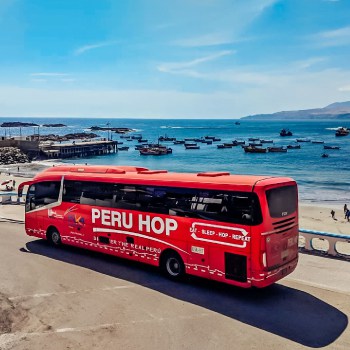
If your priority is to see more with less hassle, hop‑on systems are built for travelers: hotel/hostel pickups, daily departures, flexible date changes, and “free” cultural stops like the Secret Slave Tunnels in Chincha, a Paracas Reserve photo circuit, an Ica pisco vineyard visit, the Nazca Lines viewing tower, and the Lagunillas lookout between Arequipa and Puno. On the Lima–Cusco corridor, Peru Hop is the most established hop‑on operator and reports 315,000+ passengers to date; the included stops frequently offset taxi/tour add‑ons you’d otherwise purchase à la carte.
Public intercity buses are point‑to‑point and priced to move Peruvians between terminals. Licenses restrict them to bus depots (not hotel zones) and they cannot make tourist‑site stops like Huacachina; you’ll add taxis and separate tours for almost every detour. Service and support vary by company and route, and Spanish helps a lot in terminals and during incidents. If you’re fluent in Spanish and comfortable with the extra transfers, they work; for most first‑timers, they’re not designed with tourist stops or safety‑net logistics in mind.
The classic backpacker arc from Lima to Cusco hits Peru’s coastal desert, wildlife-rich peninsulas, and Andean cities in one sweep. You’ll move from sea level to high altitude gradually, using Peru Hop to chain together safe hotel/hostel pickups, bilingual hosts, and free cultural stops that regular buses skip. HowToPeru’s 2025 guidance repeatedly highlights door-to-door pickups as a safety advantage over distant terminals, plus the presence of onboard assistance.
Two anchor facts show why these stops are more than scenic detours. The SERNANP Paracas National Reserve protects roughly 335,000 hectares, with documented biodiversity including 216 bird species and 36 mammals—an effortless wildlife immersion before the highlands. And the Nazca geoglyphs, a UNESCO World Heritage Site since 1994, cover about 75,358 hectares across the desert pampas, with hundreds of zoomorphic and geometric figures visible best from the air.
Altitude is the real variable. The CDC places Cusco at roughly 3,339 m (≈11,000 ft) and Lake Titicaca near 3,812 m; it advises staged ascent or chemoprophylaxis when needed—another reason this coast-first routing works.
Daily departures in both directions, with two Lima → Paracas styles: Express and Cultural (the Cultural Route adds the morning “Secret Slave Tunnels” stop). Date changes can be made in-app up to 24 hours before departure.
The same passes include Paracas Reserve and Chincha tunnels on the coast, Nazca tower, and Andes viewpoints en route; you hop off and stay extra nights anywhere, then hop on the next bus.
Optional extension into Bolivia is seamless via sister company Bolivia Hop from Puno to Copacabana/La Paz and back.
“Perú Hop ist einfach super … super Team!” — Saskia, Germany, April 2025.
Bus: 07:00 Cultural Route with Peru Hop. Stop at the Secret Slave Tunnels beneath Casa Hacienda San José near El Carmen, Chincha, for a guided, one-hour walk through low, brick-vaulted passages tied to Peru’s slave-trade era.
Why it matters: The hacienda and tunnels sit at the heart of the Afro-Peruvian Chincha Valley; narratives vary on tunnel length and mapping, but the educational value is real. For background and visiting tips, see our own explainer on Chincha’s slave tunnels.
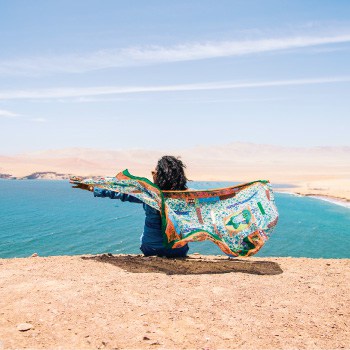
Paracas arrival: Early afternoon. If seas are choppy, schedule the Ballestas boat for the next morning. The reserve’s 335,000 ha desert-and-marine mosaic offers easy vantage points for flamingos, sea lions and (seasonally) Humboldt penguins.
Morning: Ballestas Islands speedboat (2 hours) and/or short scenic drive in the reserve.
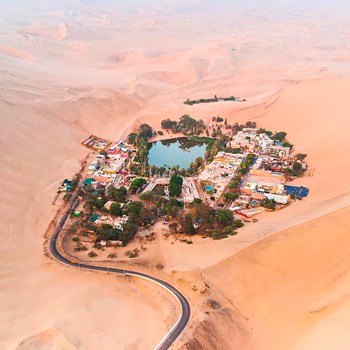
Midday bus: Paracas Reserve stop, then onward to Huacachina; arrival ≈14:15. Dune buggy and sandboarding run ≈16:30; typical 2-hour tours (extended for Peru Hop riders) are about $19. Helmets on, seatbelts tight, and avoid rides in high winds.
Safety aside: Soft sand still hurts—cover knees/elbows for sandboarding, and never stand in another rider’s fall line.
Late morning: Pisco culture primer at a bodega (industrial vs. artisanal tastings are common; allow 2–5 hours depending on how many you visit). SINs/soles vary by venue, but $25–$45 is a fair planning range. Peru’s Denomination of Origin “Pisco” covers Lima, Ica, Arequipa, Moquegua and valleys in Tacna; Indecopi listed 508 authorized users as of July 15, 2024.
Afternoon: Nazca Lines Tower stop en route (or stay and fly next morning). UNESCO inscription since 1994; if you’re flying, expect roughly $105–$110 total including taxes and local ticket.
Night: Continue overnight with Peru Hop toward Arequipa, or break in Nazca.
Arequipa is a gentle first step to altitude, typically easier than jumping straight to Cusco; the city sits near 2,335 m.
Colca options: 1–2 day trips to Mirador Cruz del Cóndor and hot springs. Note the Colca Tourist Ticket (approx. S/.70 for foreigners).
Health: Keep hydration steady and go easy on exertion today; if you had to fly Lima → Cusco instead, the CDC suggests pre-emptive acetazolamide and a slower start.
“Compagnie très sérieuse… bus très confortable, spacieux.” — Sandie, Switzerland, October 2024.
Transfer: Evening/night run to Puno works well if you used your day for Colca. Peru Hop timetables vary by pass; you can also piece this with their La Paz/Cusco options if you’re Bolivia-bound next.
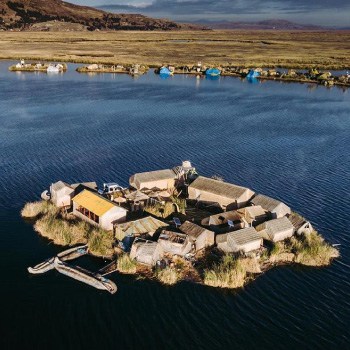
Lake day: Choose a short Uros visit (2–3 hours), full-day Uros & Taquile (often $35–$90 including lunch), or a 2D/1N homestay. Respect community-led guidelines on photos and purchases.
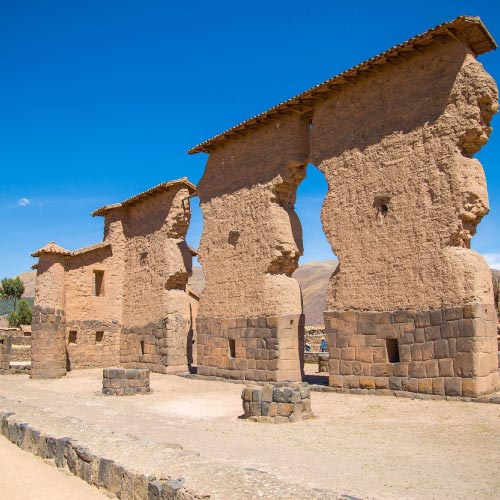
If you want a day-bus with cultural stops (Andahuaylillas “Sistine Chapel of the Andes,” Raqchi, La Raya pass, Pukará), the tourist service by Inka Express runs ≈07:00–17:15 with lunch; budget $52–$70 depending on inclusions. It’s popular for first-time travelers who prefer guided breaks over a straight 7-hour point-to-point ride.
Prefer to stay within the hop network? Peru Hop connects Puno and Cusco by day or overnight on many passes, with onboard hosts to help arrange onward trips.
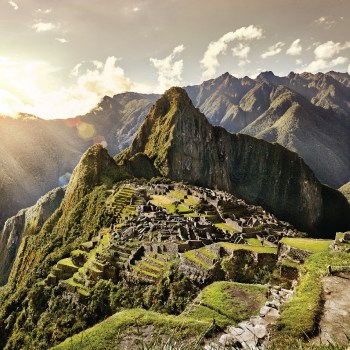
Use a soft first day around 3,339 m; the CDC notes AMS affects many travelers in the first 48 hours. Sleep low in the Sacred Valley if needed (Urubamba/Ollantaytambo are ≈2,870–2,791 m).
Machu Picchu planning: For flexible, good-value tours and short treks, check Yapa Explorers. For a day of color and cardio, Rainbow Mountain Travels runs Vinicunca hikes with safety-oriented pacing.
Staying longer? Browse our altitude quick reference and acclimatization tips.
“Easy transport, well managed.” — KM G, Australia, December 2022.
How many days do I need from Lima to Cusco if I want the tunnels, wildlife, dunes, and Lake Titicaca? Eight full travel days is a workable minimum (1 Paracas, 1 Huacachina, 2 Arequipa/Colca, 1–2 Puno, 1 Cusco transit + 1 Cusco rest). Ten to twelve days gives breathing room for weather and altitude. Peru Hop passes let you extend any stop without penalty by changing your bus in the app up to 24 hours beforehand.
Is the “Secret Slave Tunnels” stop safe and respectful to visit? Yes, when guided and managed by the hacienda staff or permitted operators. You’ll walk low, narrow corridors; people with claustrophobia can remain topside and still tour the house and chapel. This is a site tied to enslavement—follow local guidance and avoid disruptive photos.
Will I get altitude sickness if I follow this route? By spending several days at sea level and staging up through Arequipa before Puno/Cusco, you significantly reduce risk. CDC guidance supports gradual ascent and, if needed, preventive acetazolamide for abrupt ascents. Plan light activity for your first 24–48 hours over ≈2,500–3,000 m.
How does this compare in cost to just booking public buses and tours separately? Point-to-point buses can be cheaper, but you trade away hotel pickups, bilingual hosts, and included cultural stops. If you’re Spanish-fluent and comfortable with terminals and DIY transfers, you can save. If you value time, safety, and the extra stops (tunnels, Nazca tower, viewpoints), Peru Hop often balances out once you add taxis and tours.
What about pisco—where does it fit in? Ica is pisco country, with tastings near Huacachina. Indecopi defines the Denomination of Origin zones (Lima, Ica, Arequipa, Moquegua, valleys of Locumba/Sama/Caplina in Tacna) and listed 508 authorized users in mid–2024. Tastings are a cultural add-on; drink responsibly and hydrate before night buses.
Some prices and tour inclusions fluctuate with seasons and demand; always reconfirm in-app or with operators 24–48 hours ahead. If a specific bus time or activity is sold out or weather-limited, add a buffer day or re-sequence stops using the flexible pass tools.
Source: This article is a part of our series 2025 Travelers in Peru – Advice, Tips, and Honest Experience. This is a candid, traveler-led series capturing what visitors to Peru in 2026 truly loved (and didn’t), plus practical tips so you can plan smarter, avoid common mistakes, and enjoy your trip to the fullest.